Details — Old City, Ahmedabad
A visual study of textures, craft and everyday rhythms across Ahmedabad’s old city—captured during multiple heritage walks through pols, lanes and Gandhi Ashram. The series isolates details—stone, light, pattern, food, color—to document how small things carry the city’s character.
- Year :
- 2020
- Course :
- Photography · Architectural & Everyday Details
- Role :
- Photographer, editor
- Project Duration :
- 2 weeks
1)Brief & Objectives
Deliverables
Web gallery set (3000px long edge, sRGB), print proofs, optional 20-page zine sequence
Tools
Canon DSLR, 50mm & 18–55mm lenses, natural light only, Lightroom/Photoshop (basic tonal edits)
The ask
Explore “details” as a way to read place: fragments that suggest the whole. Practice seeing beyond postcard views—work with tight crops, strong light, repetition, and materiality.
Audience
Viewers of a web gallery and small zine—anyone interested in architectural texture, craft economies, and the everyday visual language of a historic city.
Goals
- •Deliver a cohesive set for a web gallery and a small zine (optional), prioritizing narrative flow over volume.
- •Build observation discipline, exposure control in tricky light, and composing for pattern/texture with minimal post.
- •Document how small things—stone, light, pattern, food, color—carry the city’s character.
Outcome snapshot
A curated detail-first series from Manek Chowk to Jama Masjid and Gandhi Ashram—morning light, night facades, and craft close-ups woven into a readable visual essay.
2)Research & Route Planning
Sites
Manek Chowk markets, pol houses & otlas, Jama Masjid corridors, Teen Darwaza vicinity, local utensil/jari bead shops, Gandhi Ashram precinct.
Why these
Rich overlap of craft (carving, jaali, jharokha), food culture, and light corridors that change dramatically from morning to night.
Approach
Two loops—(a) early morning for oblique light & quiet lanes, (b) dusk-to-night for illuminated facades.
3)Visual Strategy
Theme
Texture & pattern as living archives.
Motifs
- •Stone carvings, geometric repeats, hand-made food, jars & tools.
- •Light slicing through lanes, festival pigment, signage glow.
Compositional rules
- •Fill frame with pattern; let edges crop deliberately.
- •Use contrast of rough/smooth and warm/cool to stage depth.
- •Prefer single light direction (side light for relief on carvings).
- •Keep people minimal—appear as scale or rhythm, not the subject.
4)Shoot Craft & Techniques
Lenses
50mm for isolation & low light; 18–55mm for context in corridors.
Settings (typical)
ISO 100–400 day / 800–1600 night; f/2.8–f/5.6 for shallow depth on textures; 1/125–1/250s hand-held; WB set to shade/tungsten as needed.
Tactics
- •Expose for highlights to preserve marble/metal detail.
- •Use architectural lines for leading perspective (arcades).
- •Step off axis to avoid specular blown highlights on polished surfaces.
- •Night shots: brace against pillars/railings; time for traffic lulls.
5)Feature Series — Morning & Markets
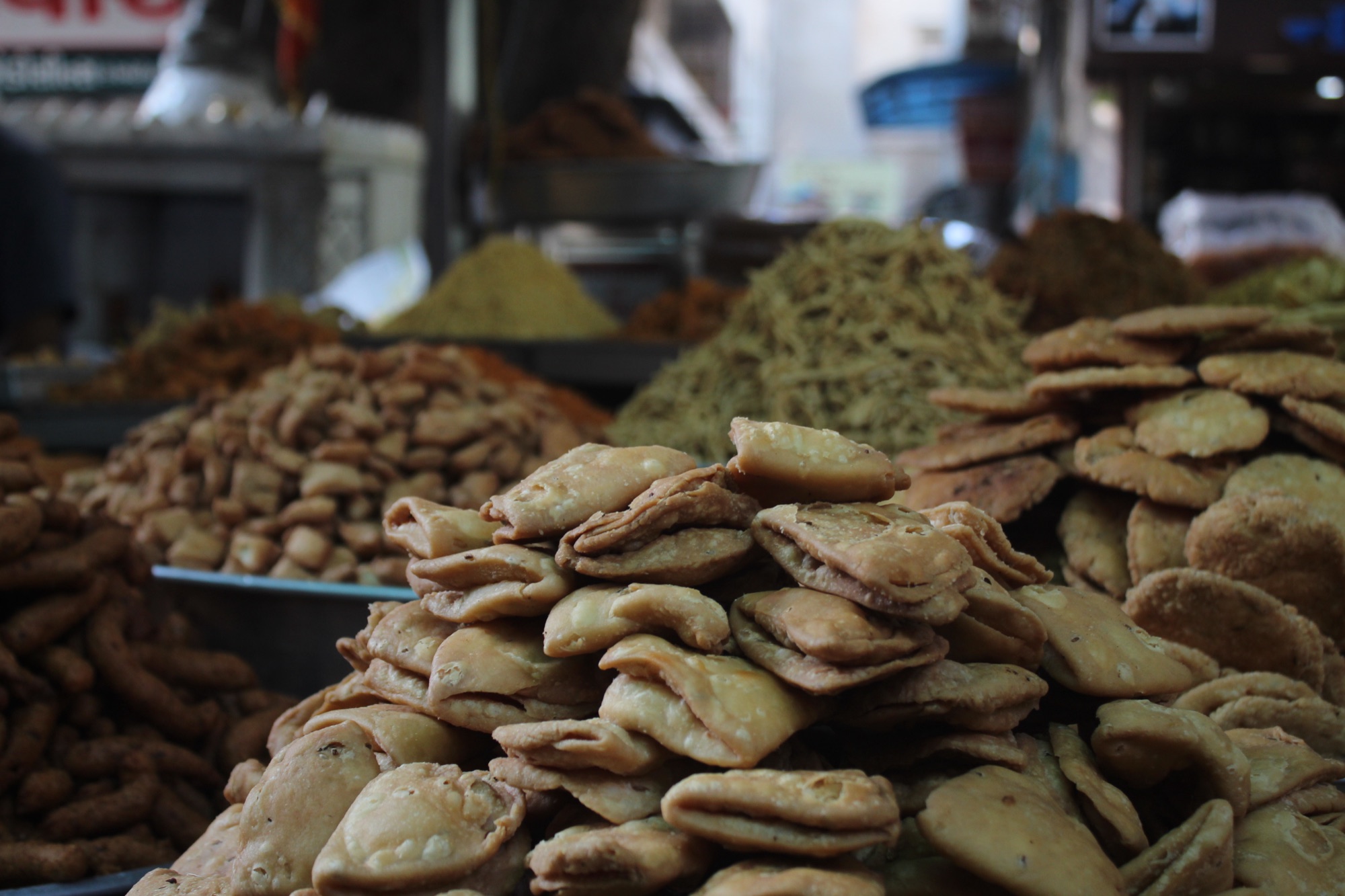
Street Savouries, Manek Chowk
Layers of fried pastry forms echo the city’s love for repetition and abundance.
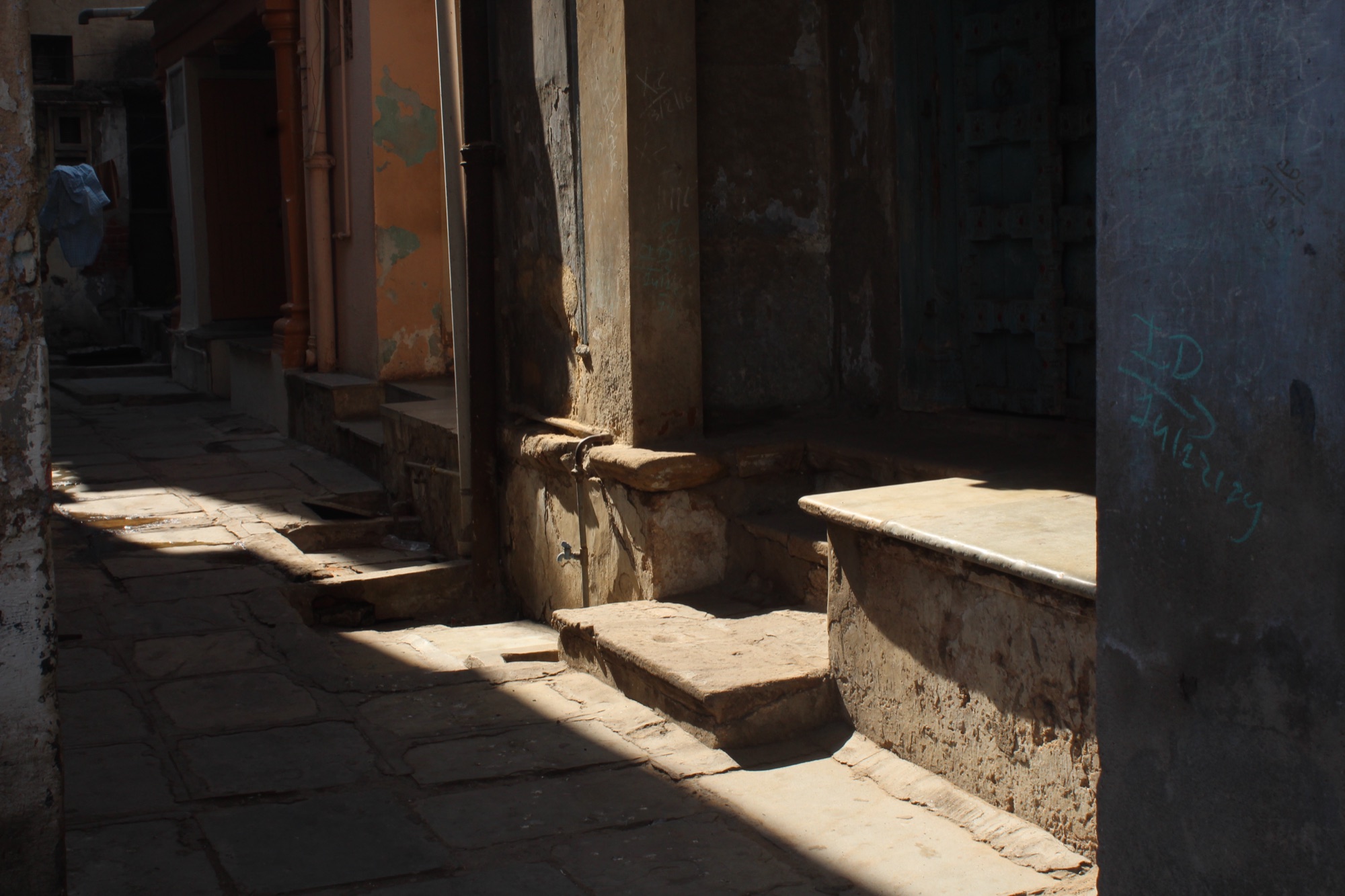
Cut-light Across an Otla
Noon beam carving planes on stone steps; negative space as subject.
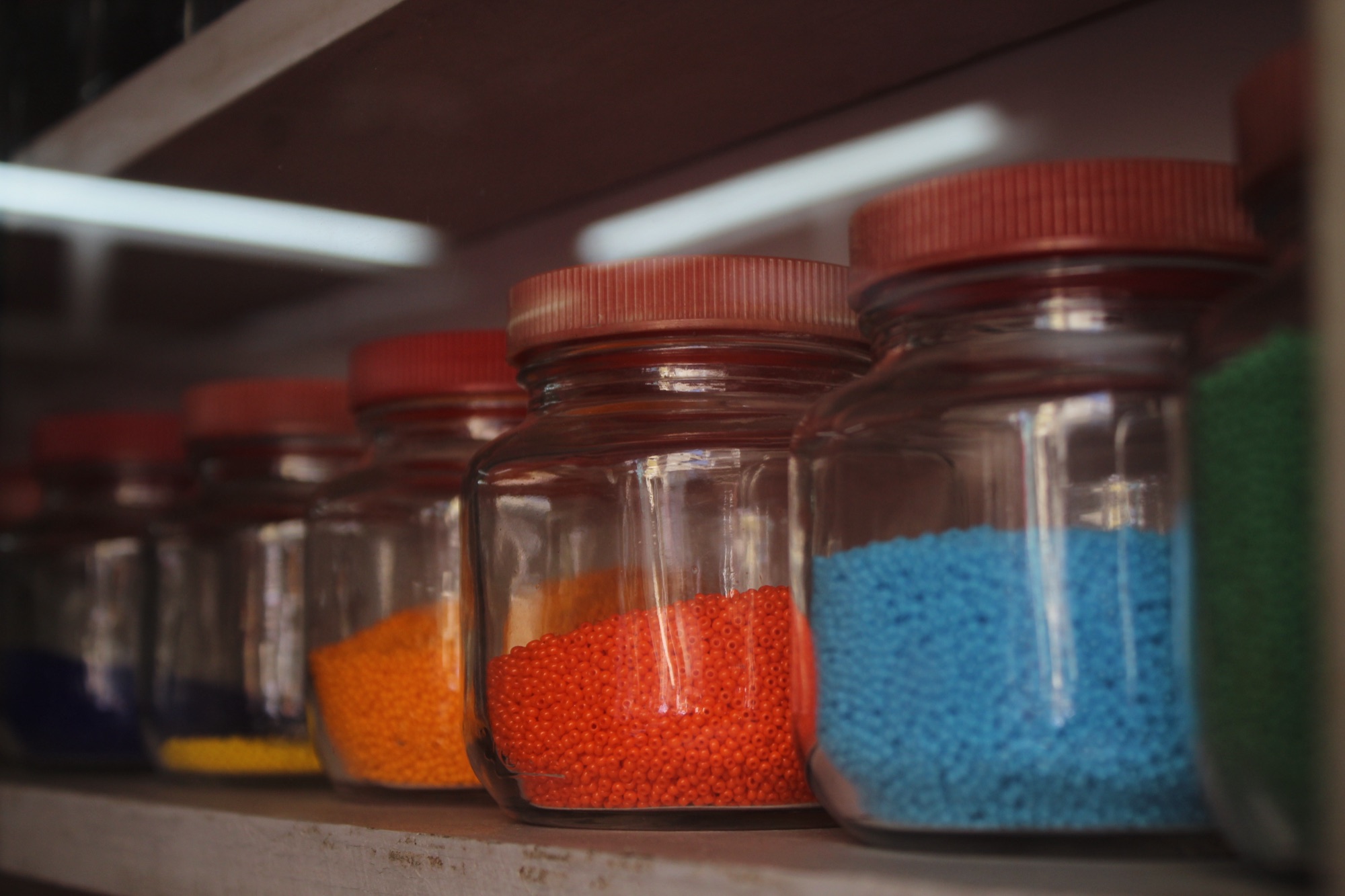
Bead Jars, Relief & Color
Studio-like still life found in a 2-ft shelf; warm lids vs cool granules.
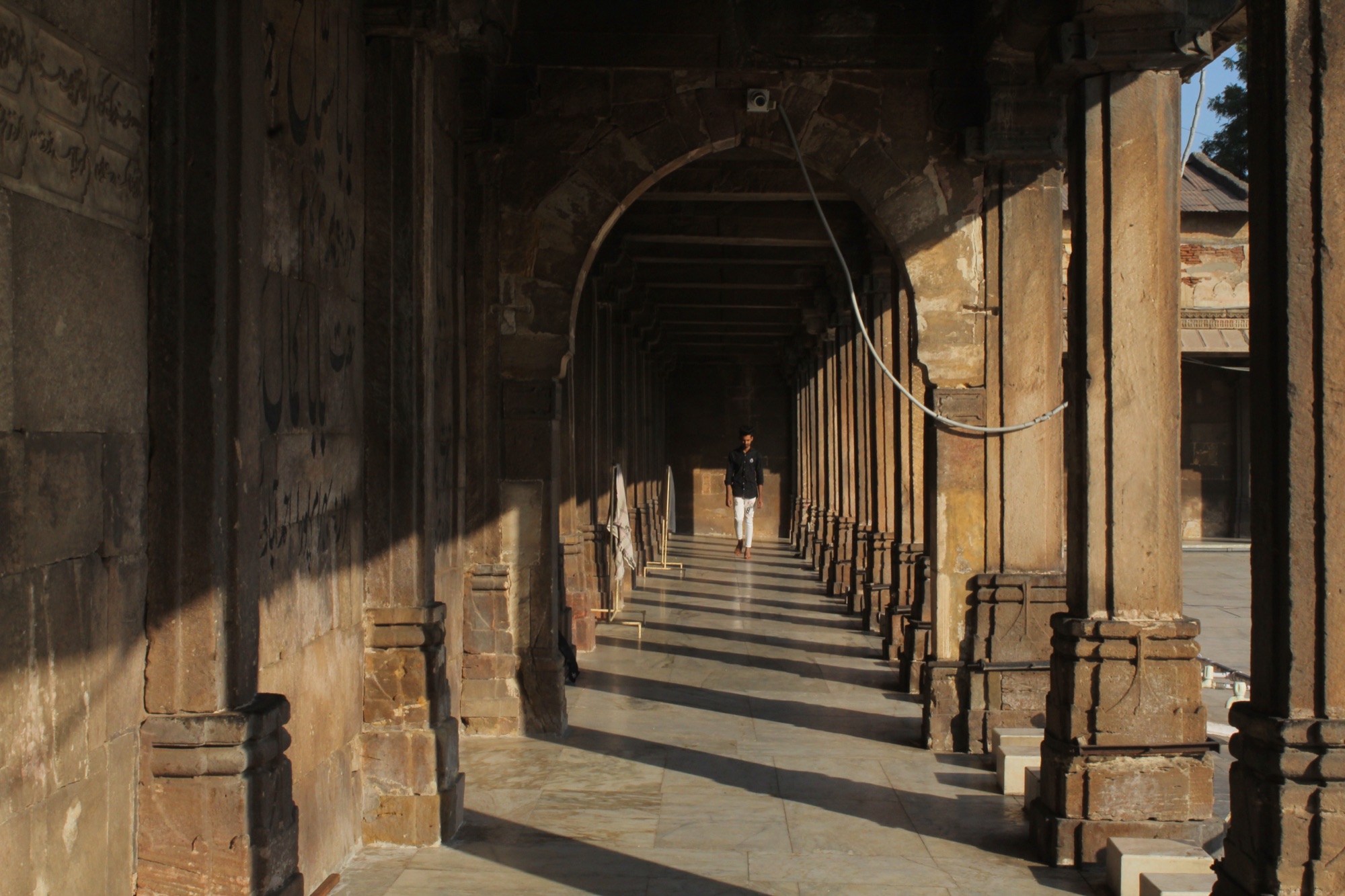
Jama Masjid Arcade
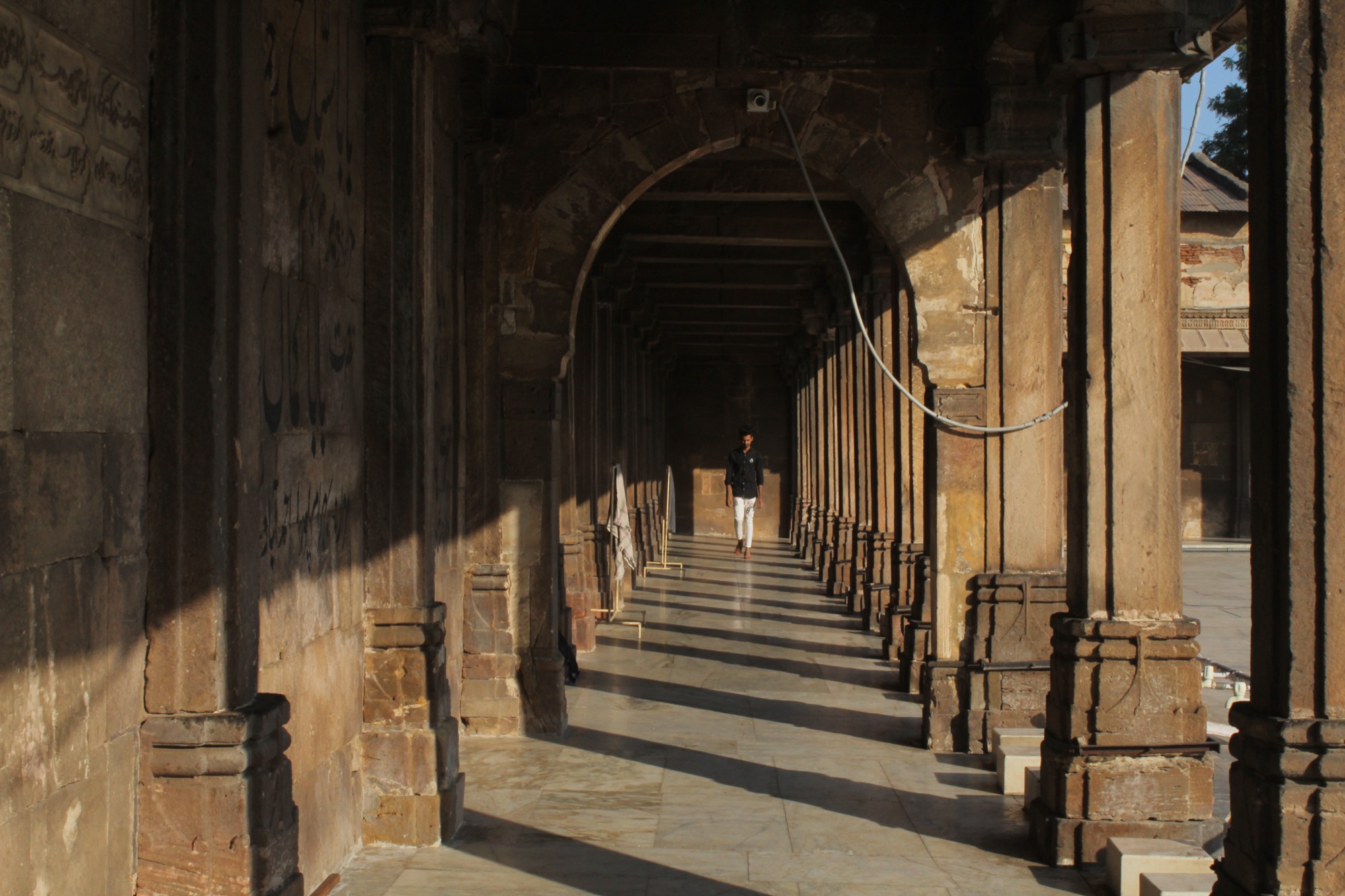
Long shadow rhythm; one figure anchors scale and vanishing point.
6)Feature Series — Night & Craft
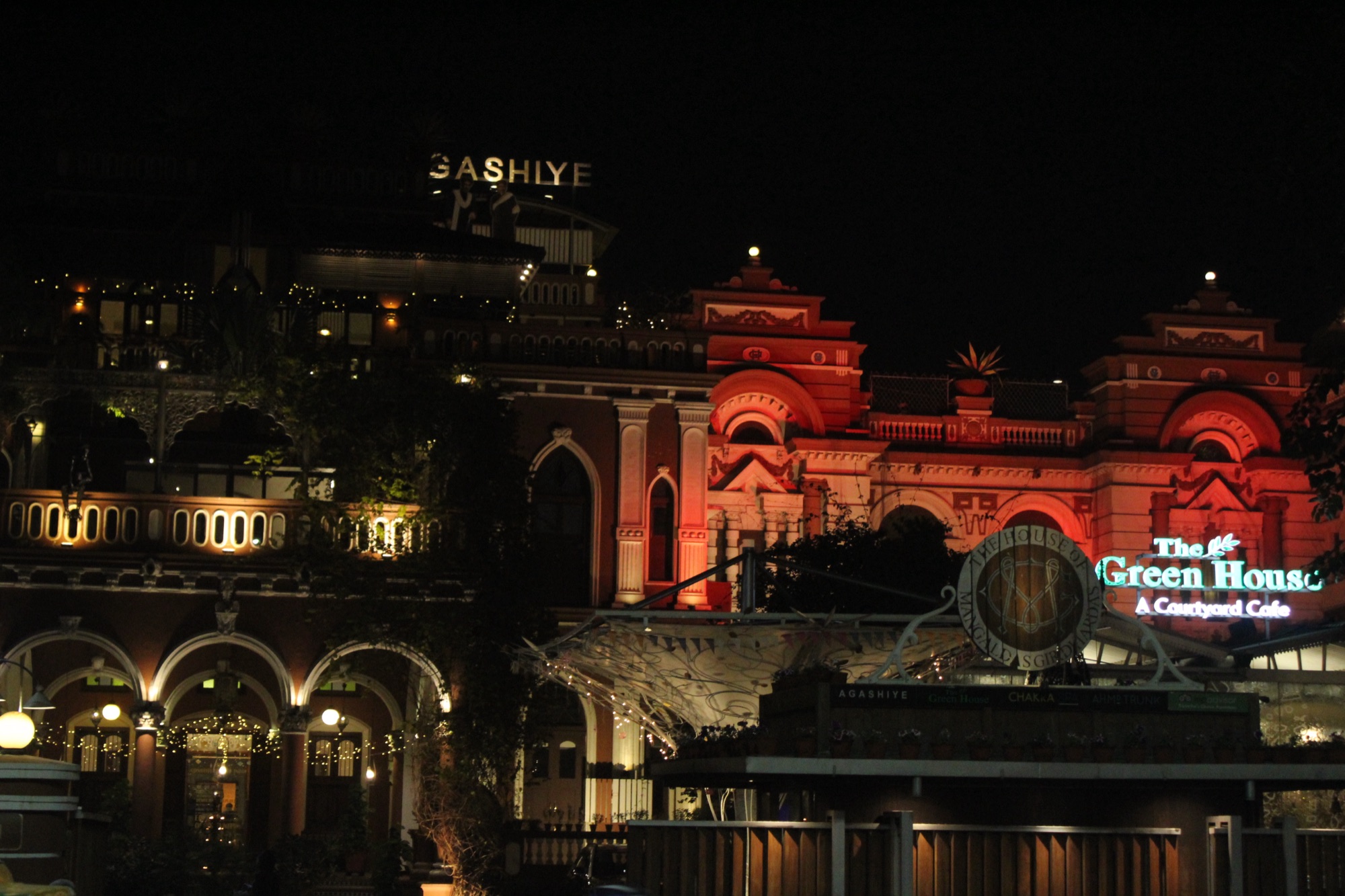
Facade at Night, MG Road
Signage glow and heritage ornament in contemporary neon dialogue.
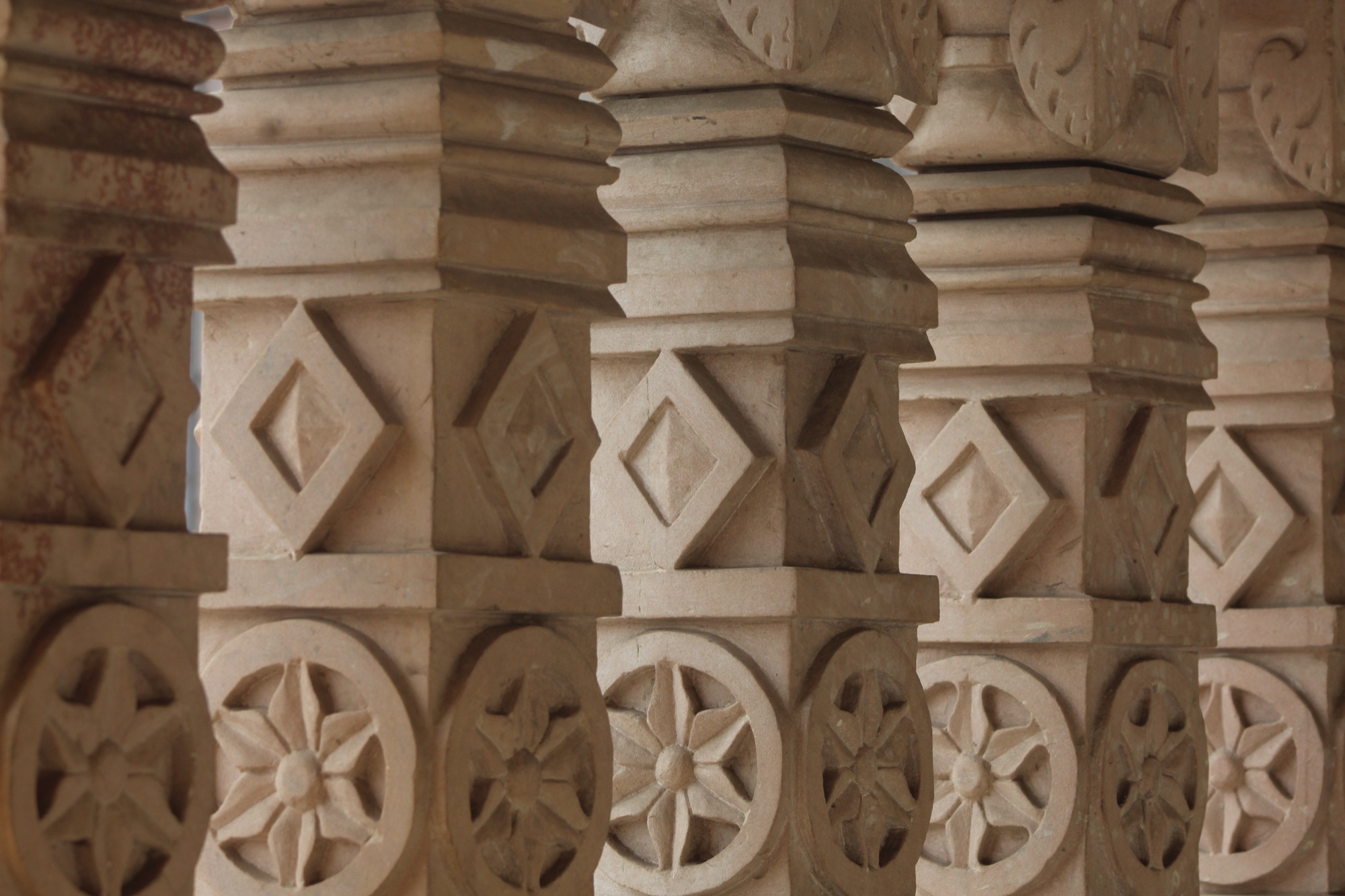
Pillar Capitals, Stone Grammar
Square-to-circle transitions; chiselled geometry and wear.
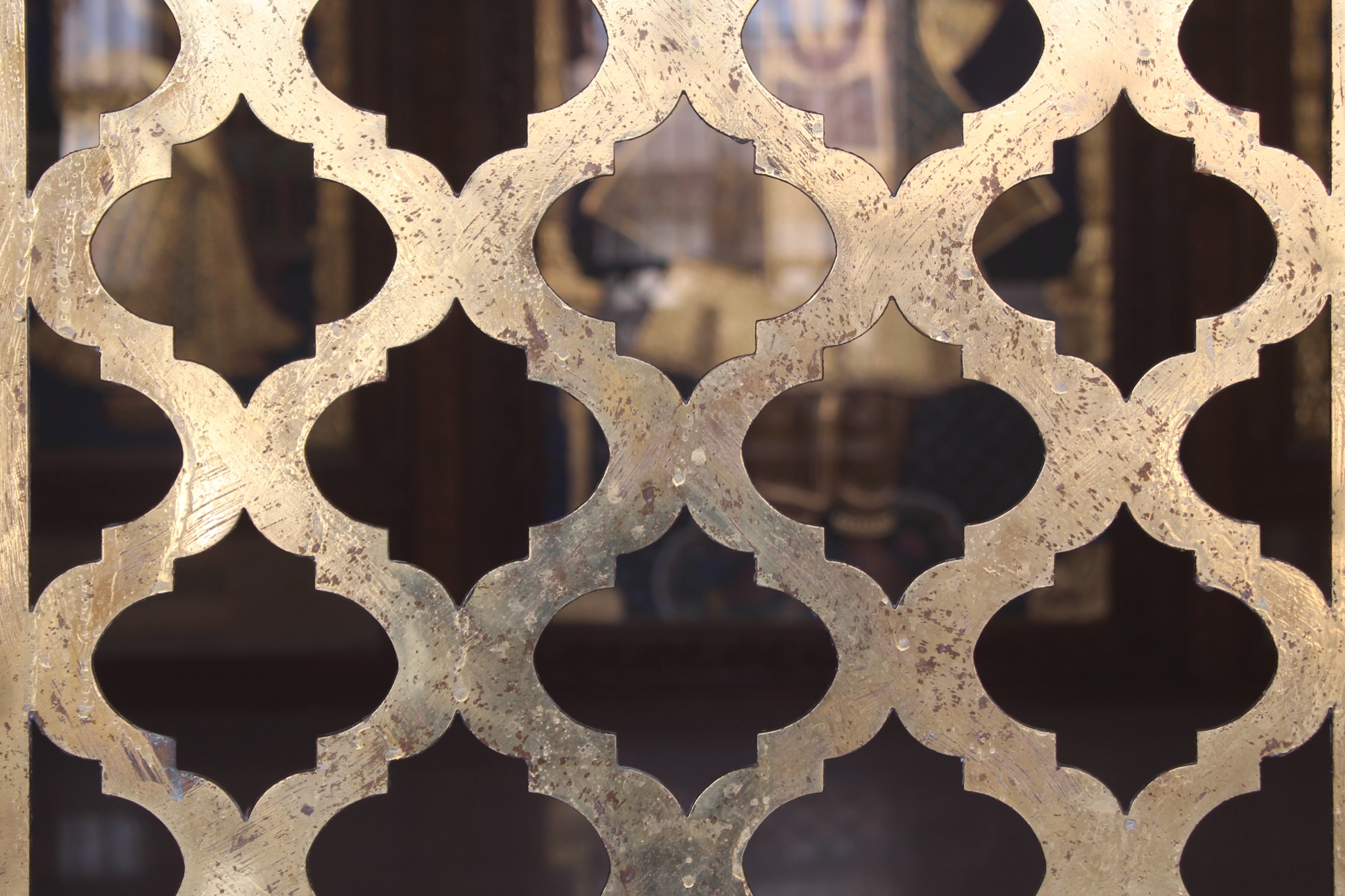
Brass Jaali, Soft Background
Bokeh turns museum interior into pigment; foreground patina speaks age.
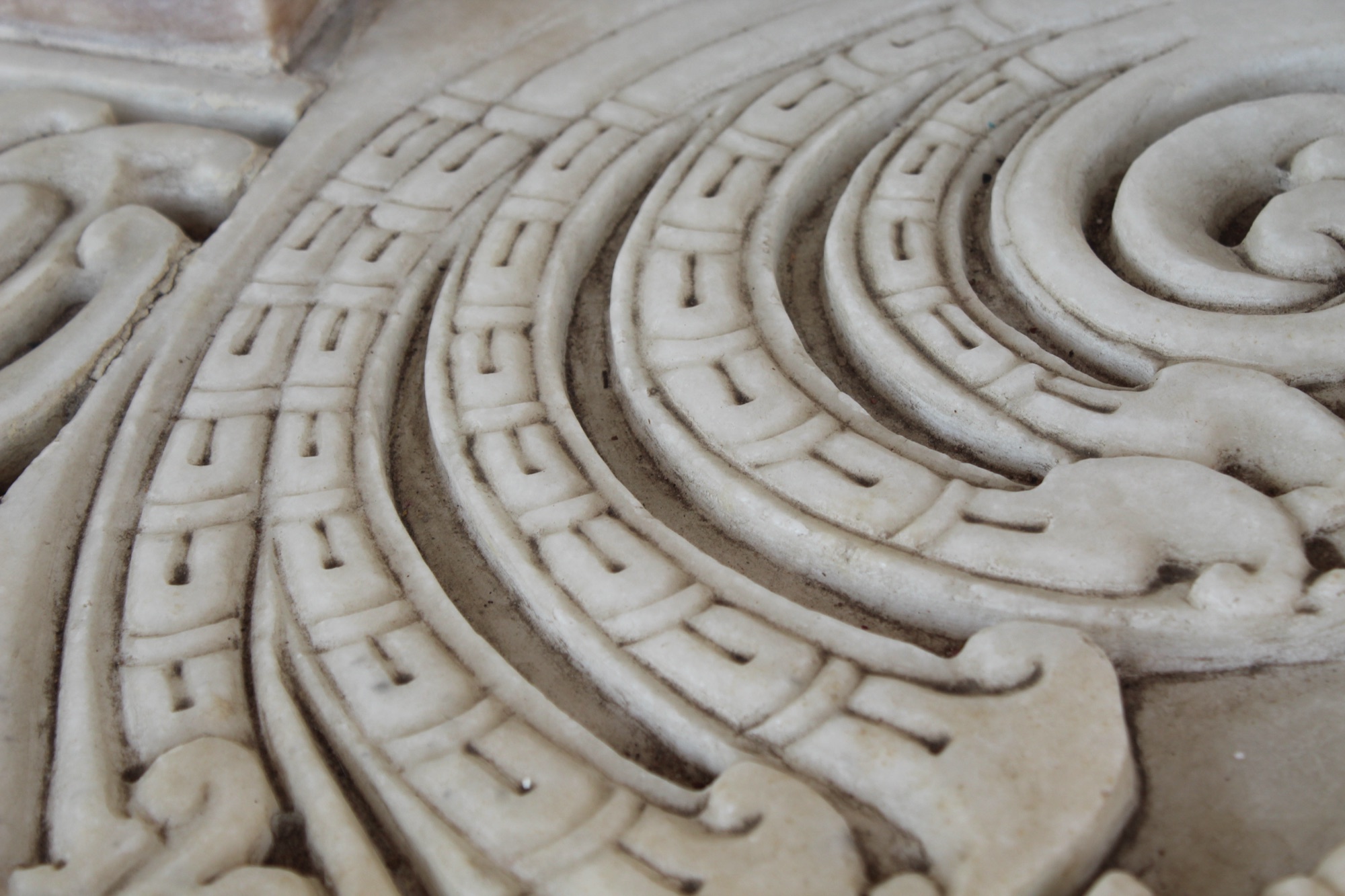
Marble Relief, Concentric Bands
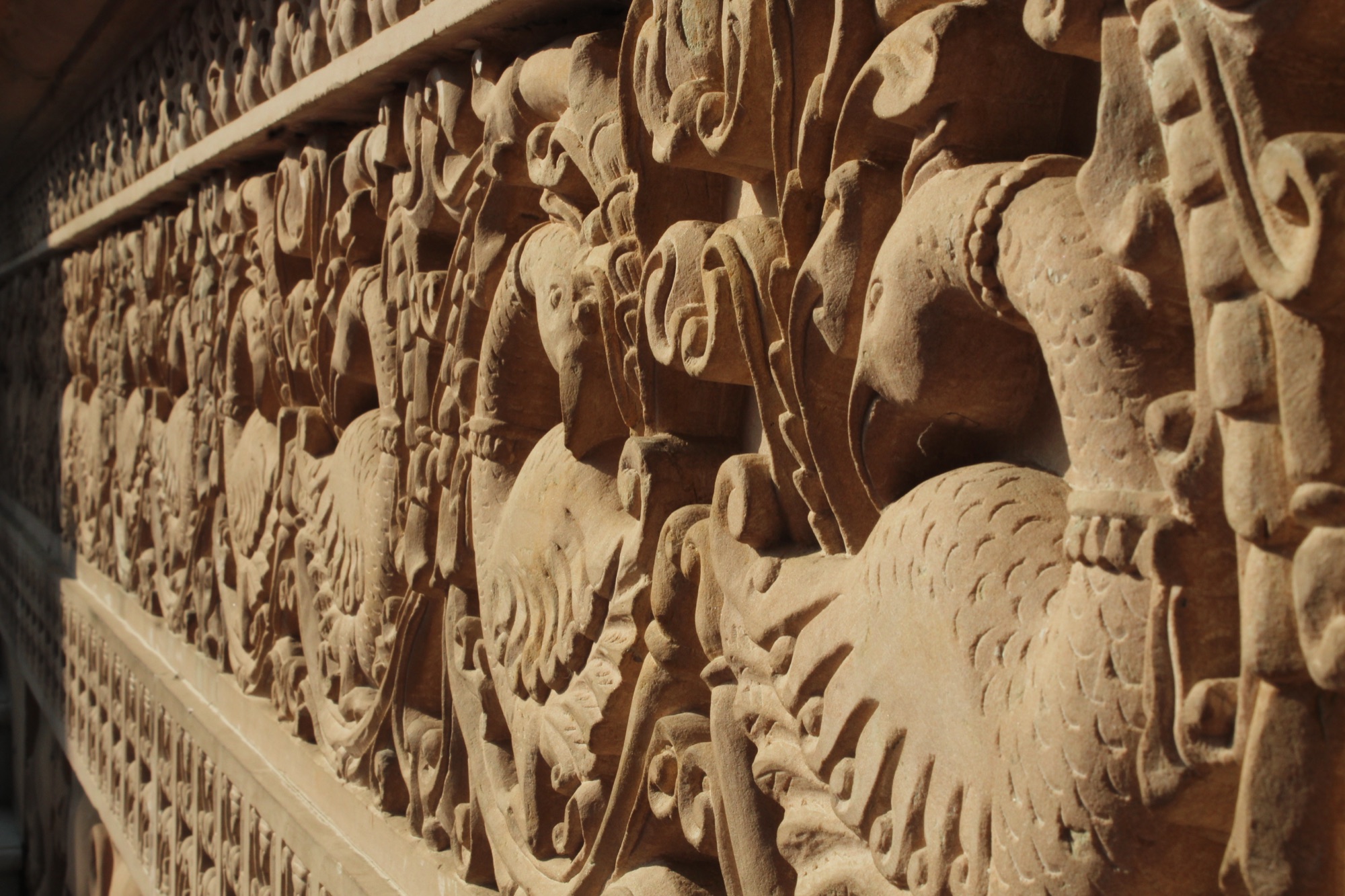
Grazing light reveals tool marks; craft as topography.
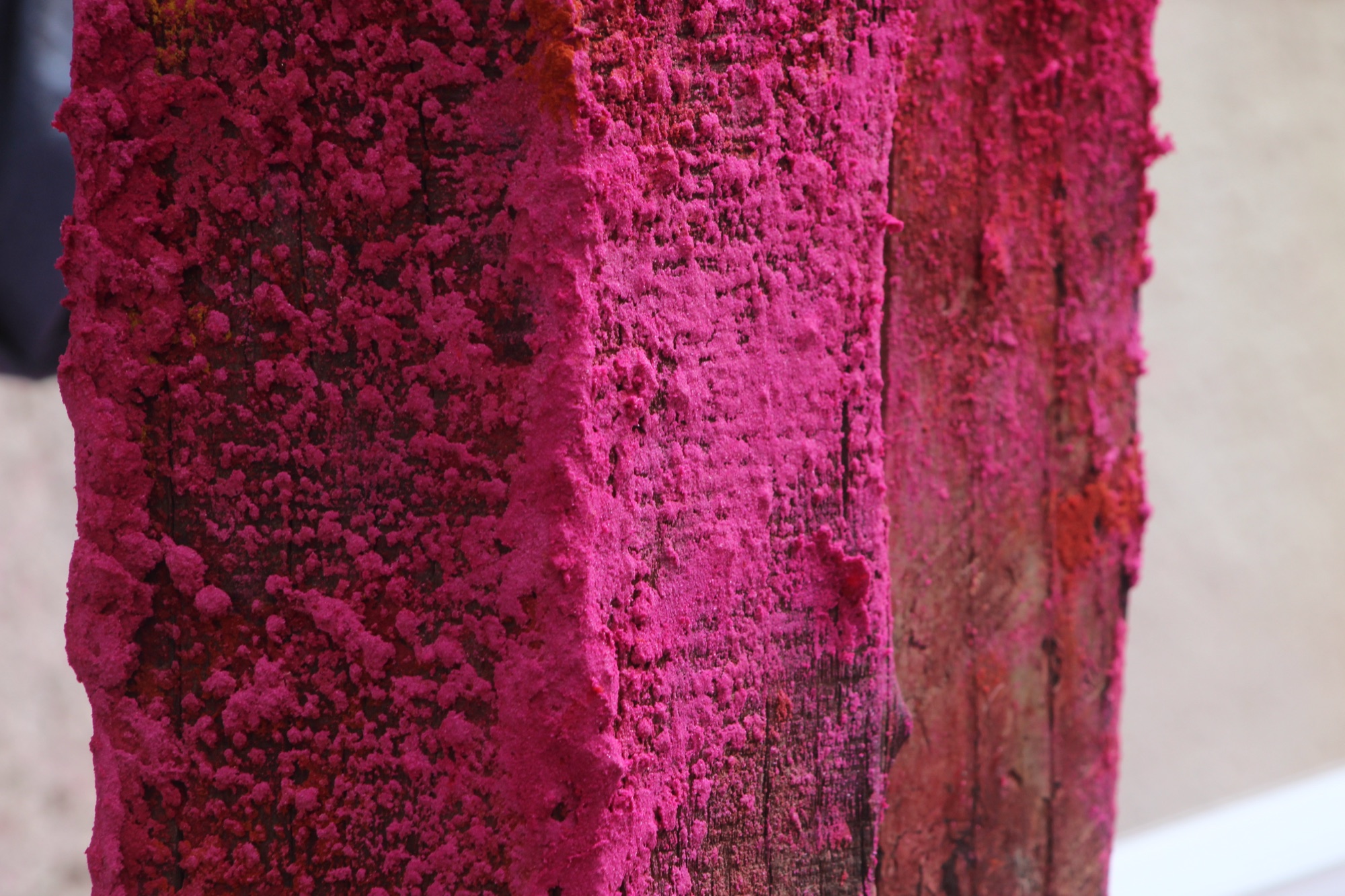
Gulal Wall, Tactile Color
Festival residue as accidental abstraction; color = texture.
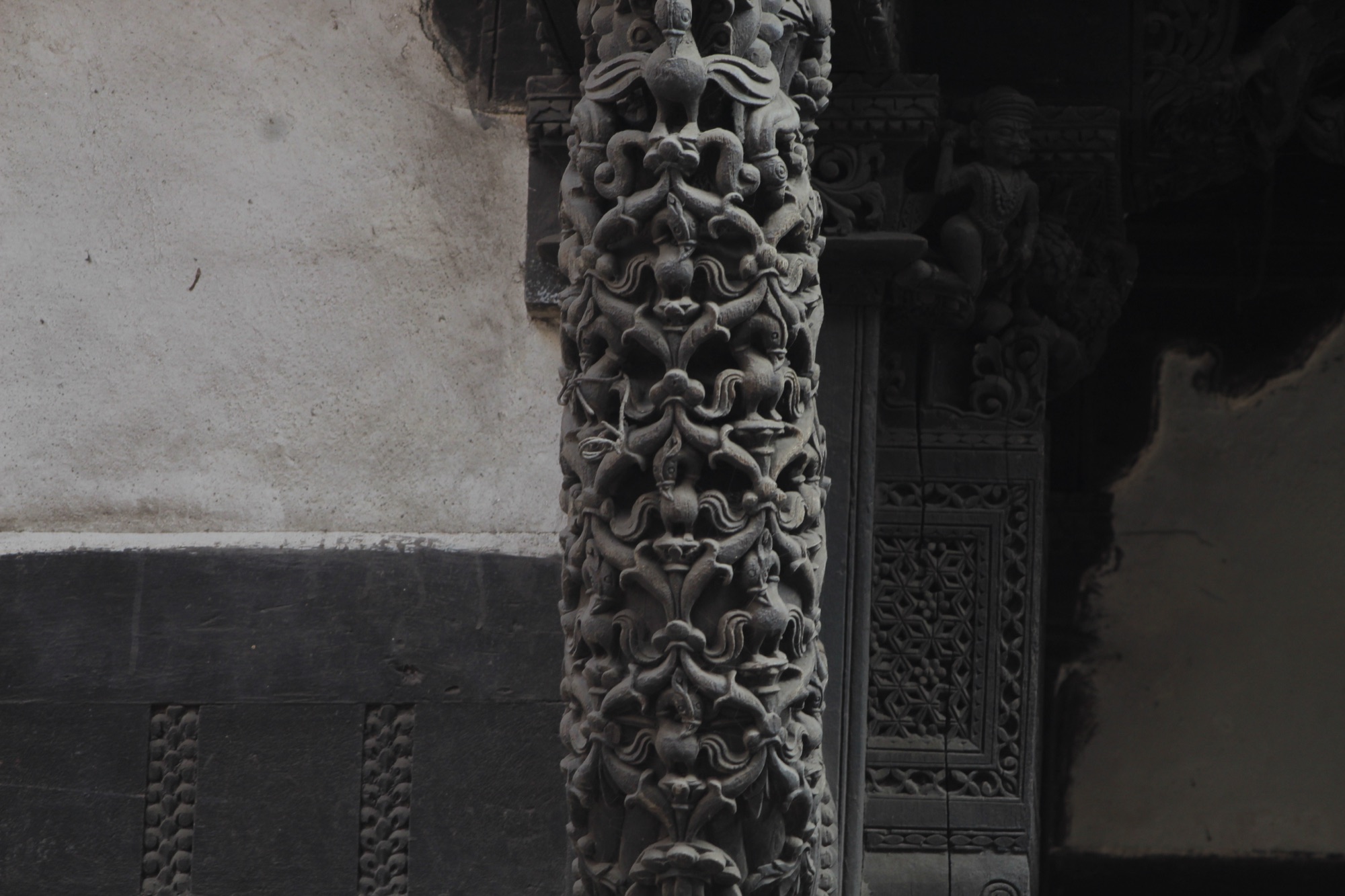
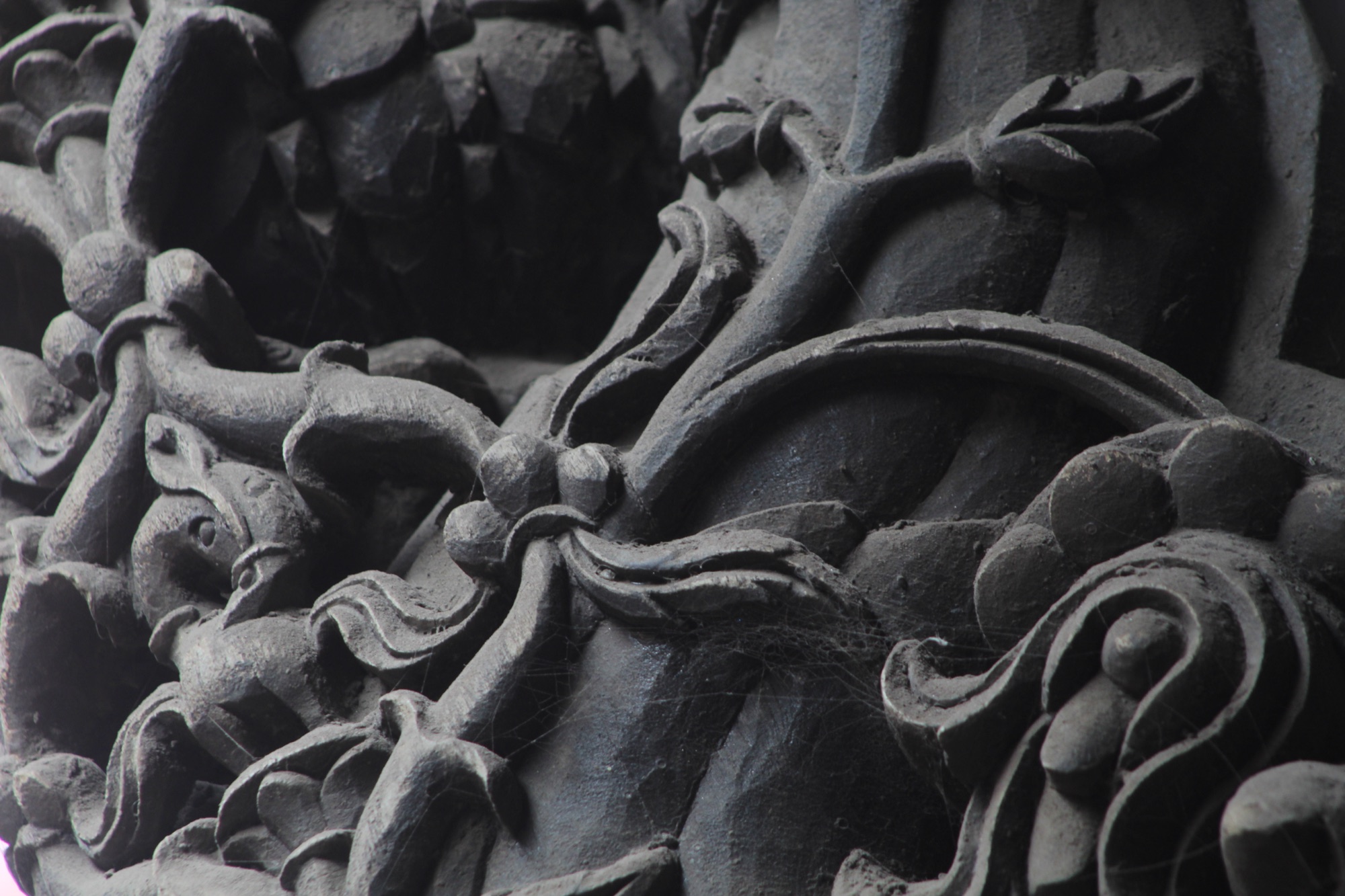
Wood Carving, Pol House Column
Narrative flora/fauna interlock; monochrome to honor form.
7)More from the Walk
Extended series
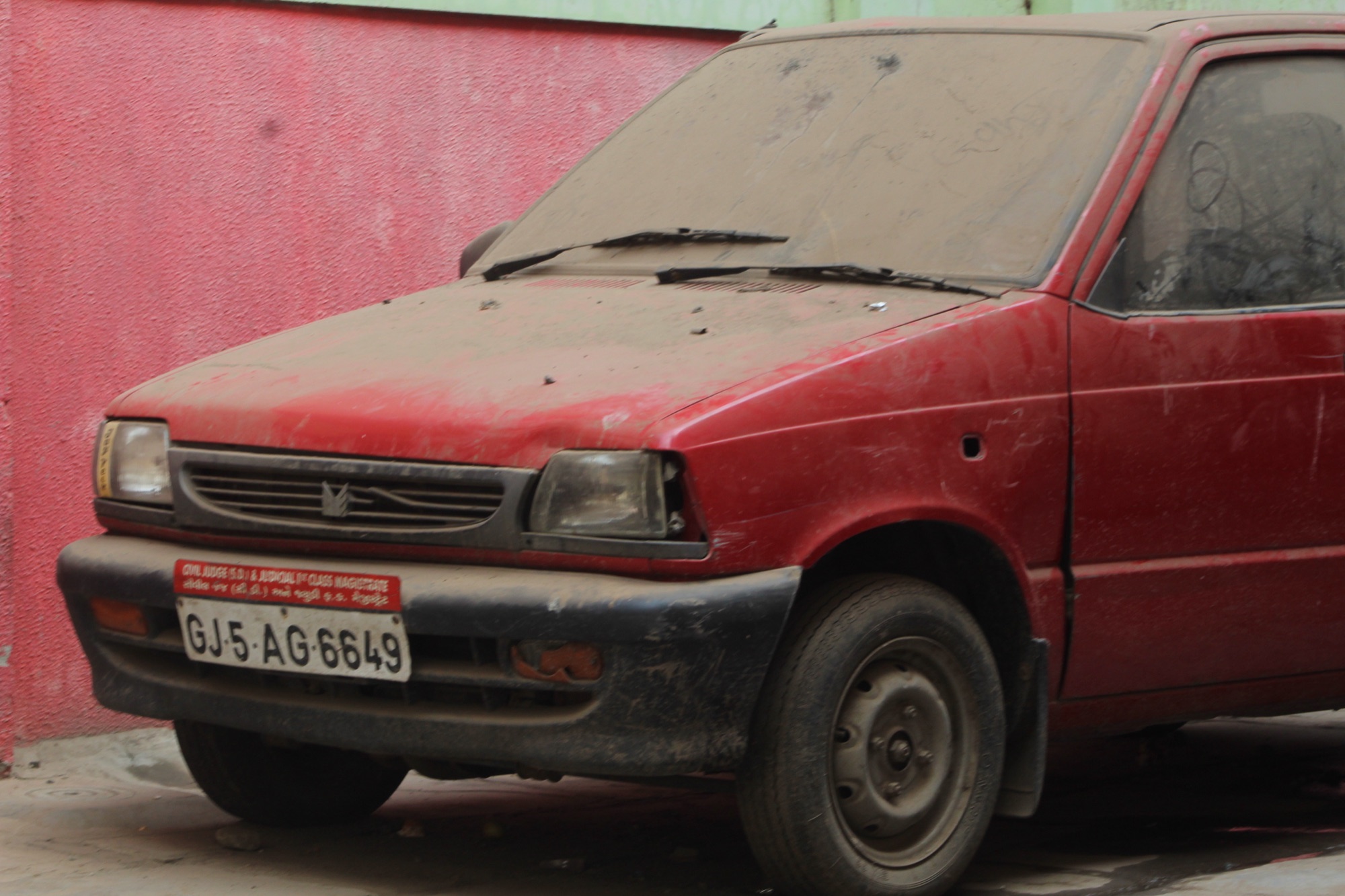
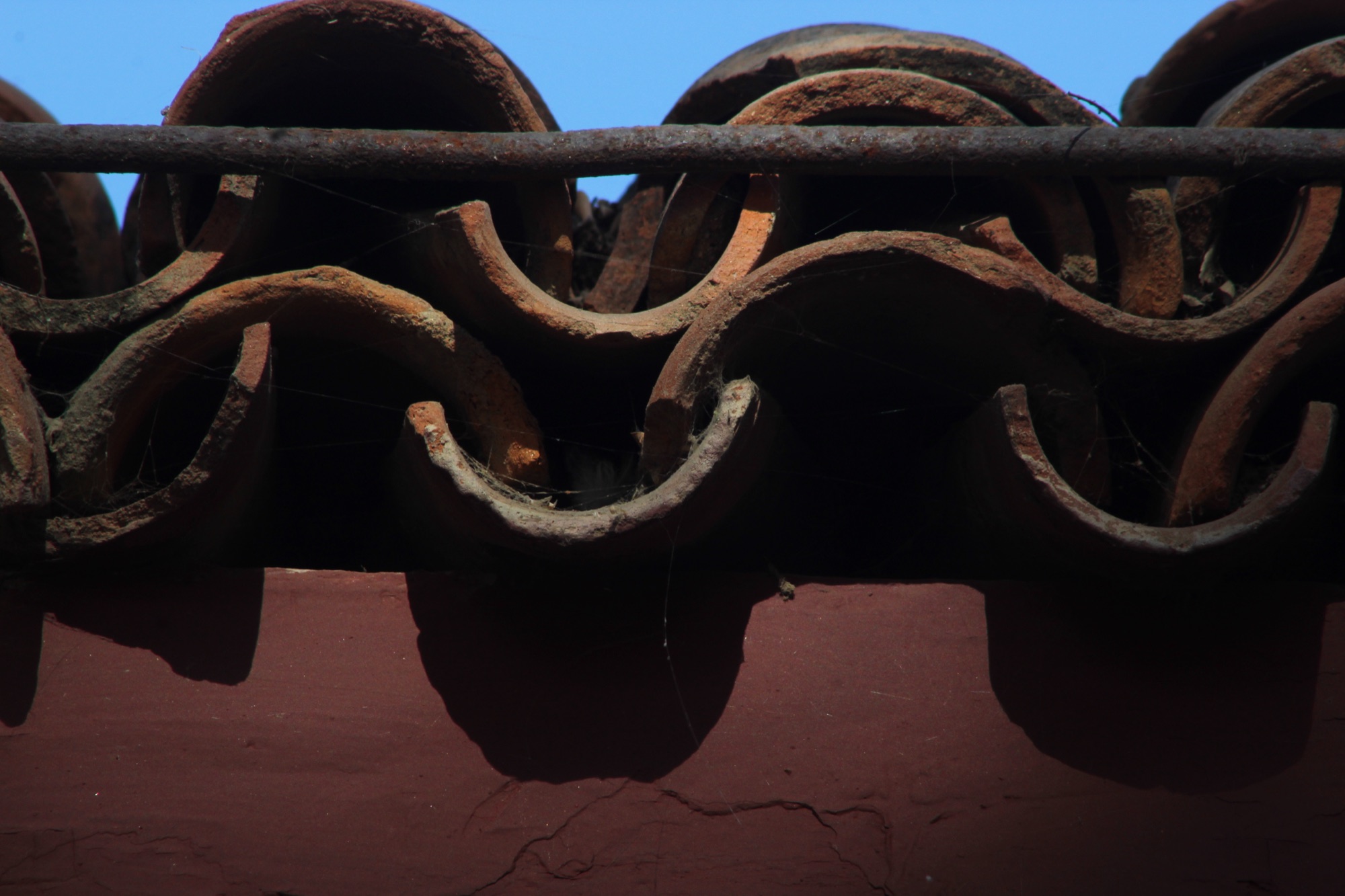
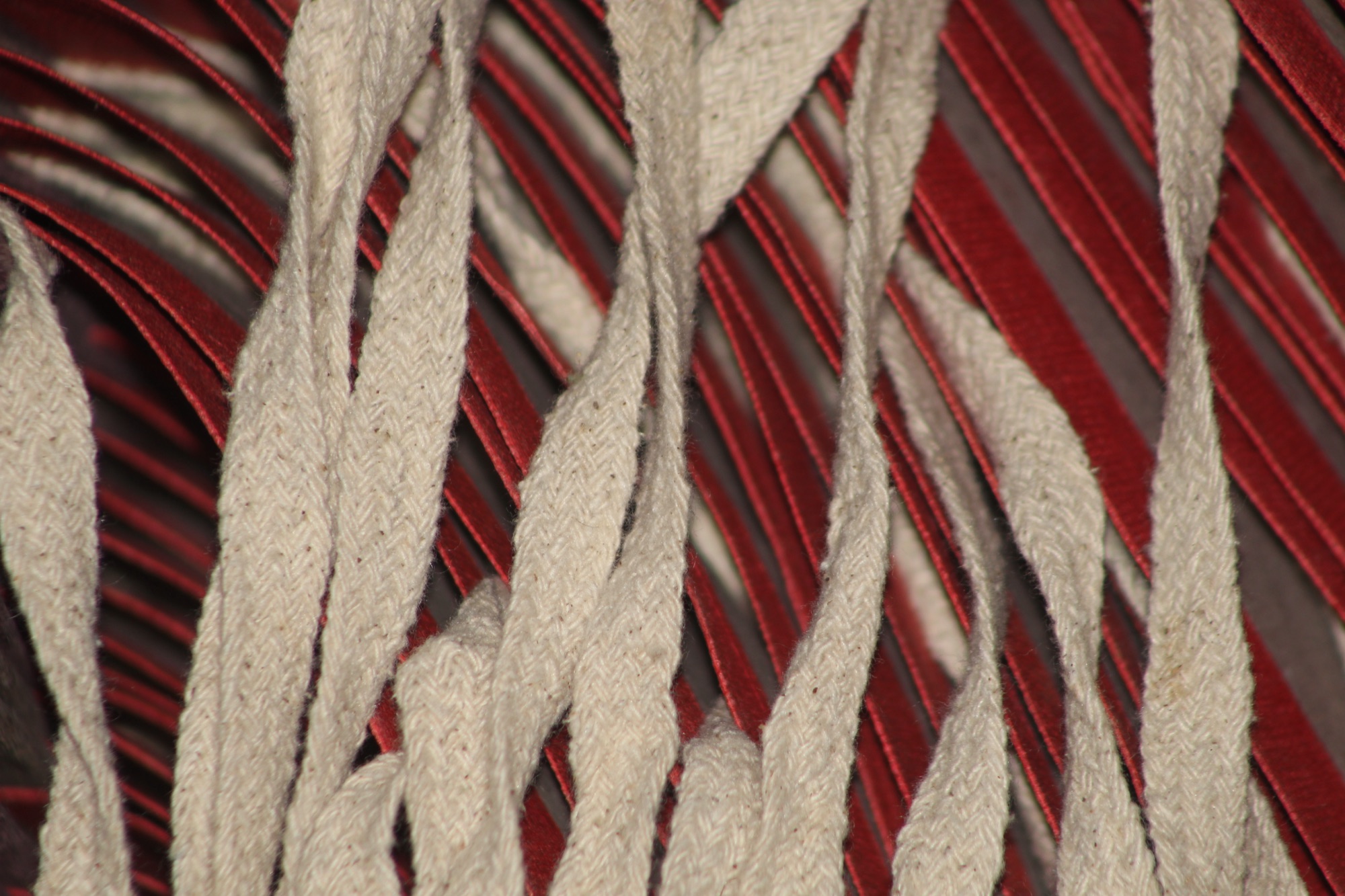
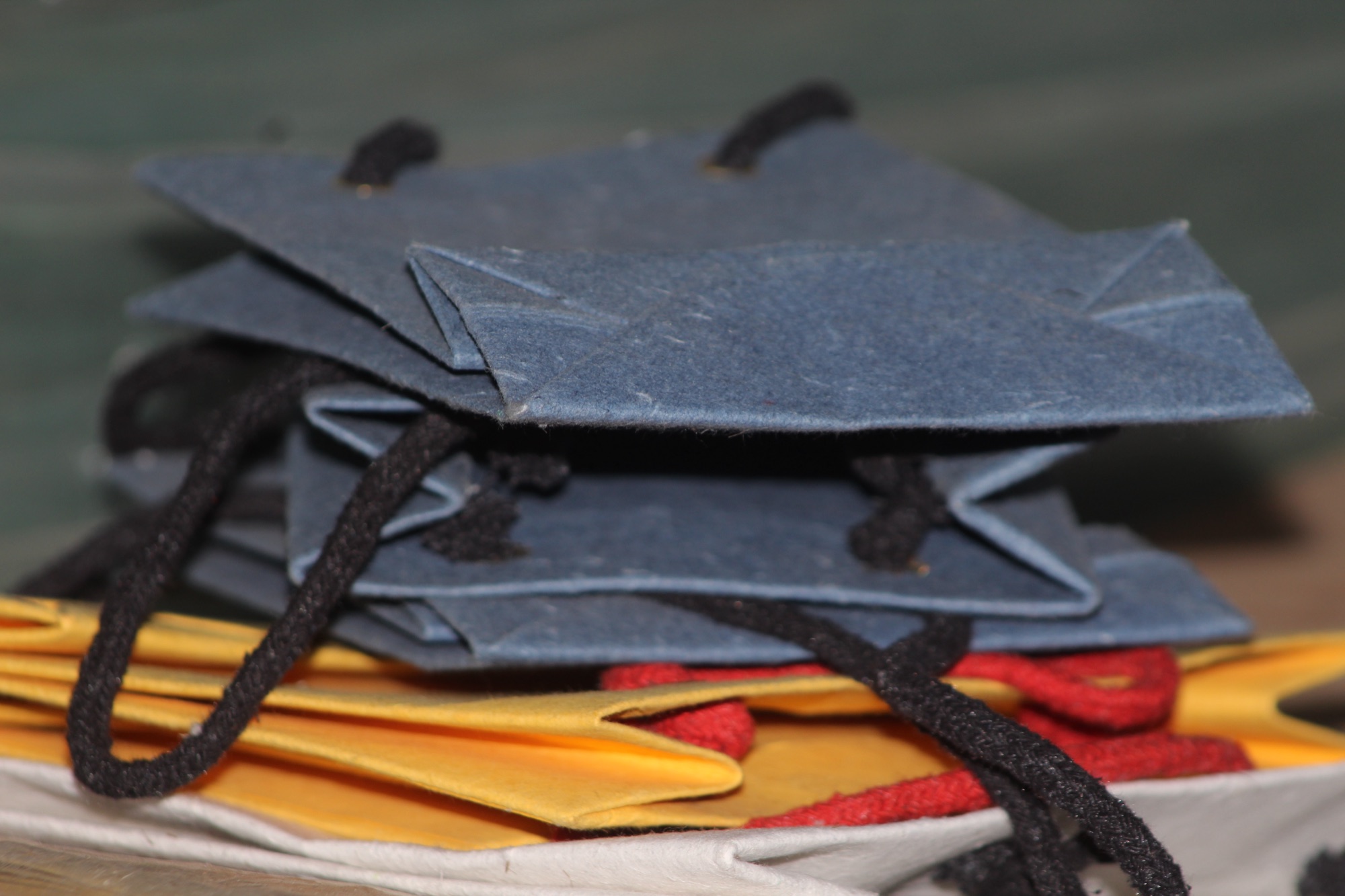
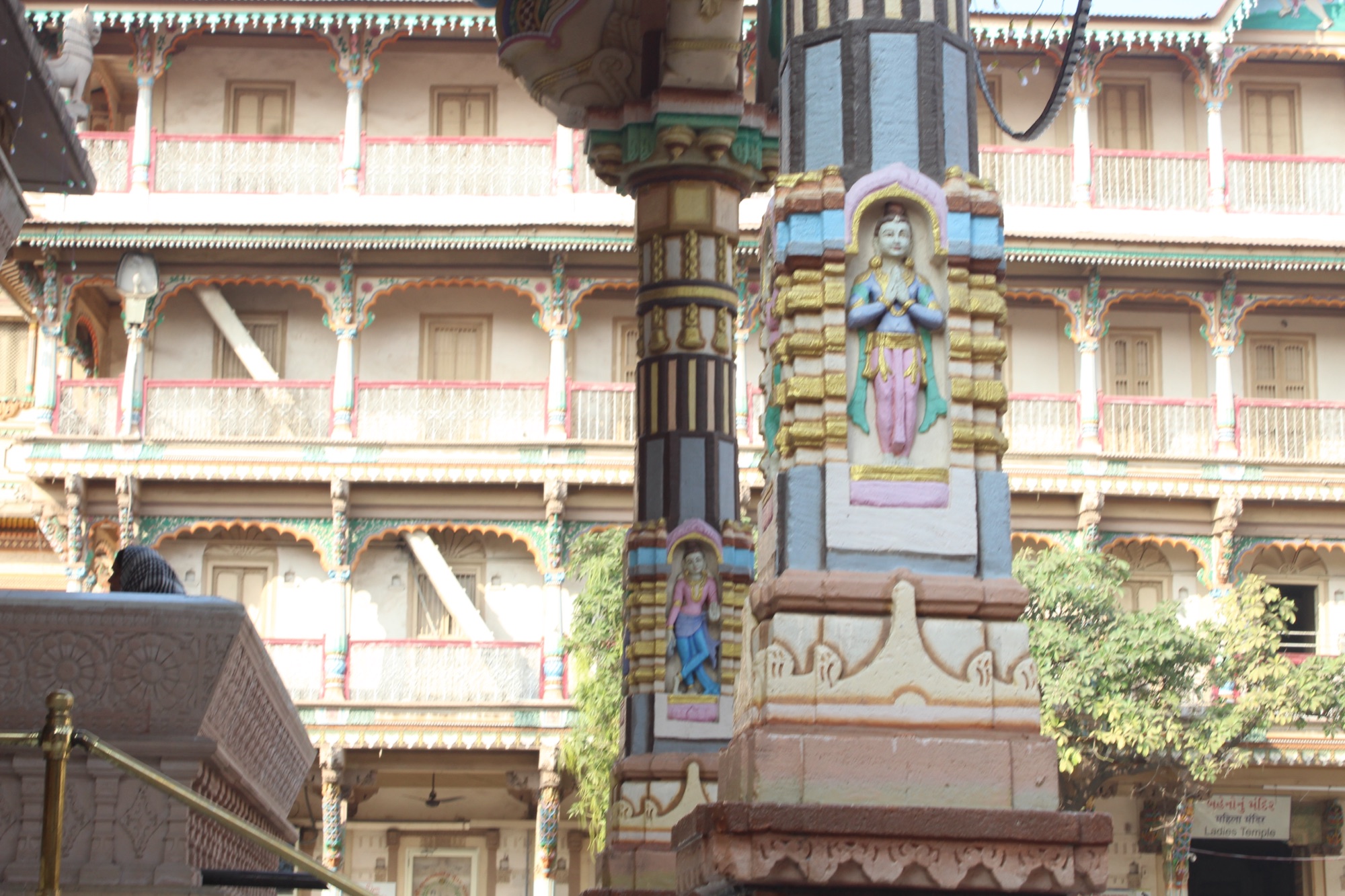
Additional frames from pol courtyards, market stalls, and heritage walls—each isolating a single material or rhythm.

8)Post-Processing & Output
Edits
Lens correction, gentle contrast curve, clarity on texture shots, HSL tweaks to protect stone neutrals, noise reduction on night facade.
Color philosophy
Respect ambient casts (amber sodium, teal shade); avoid over-neutralizing.
Deliverables
- •Web set: 3000px long edge, sRGB, subtle watermark off.
- •Print proofs: A4 luster for textures, matte for corridors.
- •Optional 20-page zine sequence: Markets → Lanes → Craft → Night.
9)Outcomes & Reflection
What worked
The “detail first” constraint forced slower looking; textures became gateways to social stories (food economy, devotional craft, maintenance cycles).
Skills sharpened
- •Highlight control on bright marble/brass.
- •Composing for repetition.
- •Silent hand-held at slow speeds.
Next iteration
Add audio snippets (market sound, azaan reverb in arcade) and short maker quotes; try a dawn fog set on the Sabarmati for softer palettes.