NNP Referral Guidelines
Designed and synthesized an 11-page referral guidelines document for New Neighbors Partnership, helping partner agencies understand NNP's mission, program model, client eligibility, referral expectations, timeline, staff, and contact process. This work was later presented at the United Nations General Assembly in the context of refugee employment and community support.
- Year :
- 2025
- Focus :
- Referral Guide · Nonprofit Communication · Information Design
- Role :
- Design, Content Synthesis, Layout Design, Image Placement, Information Organization
- Project Duration :
- 2025
1)Brief & Objectives
Client / Organization
New Neighbors Partnership
Deliverables
Referral Guidelines / Partner Agency Resource
Tools
Canva, Google Docs, NNP Brand Assets
The ask
New Neighbors Partnership needed a clear referral guide for partner organizations and agency staff who refer newly arrived refugee and asylum-seeking families to NNP's clothing partnership program. The goal was to make the referral process easier to understand, while communicating the heart of NNP's work: building long-term, community-based support for families resettling in New York City.
Audience
Referral organization staff, social workers, nonprofit partners, and community organizations who may refer families to NNP.
Format
11-page digital presentation-style guide
Core skills
Editorial design, information design, nonprofit communication, partner education, visual storytelling
Goals
- •Explain NNP's mission, program model, eligibility, and referral process clearly
- •Design for quick scanning in time-pressured partner environments
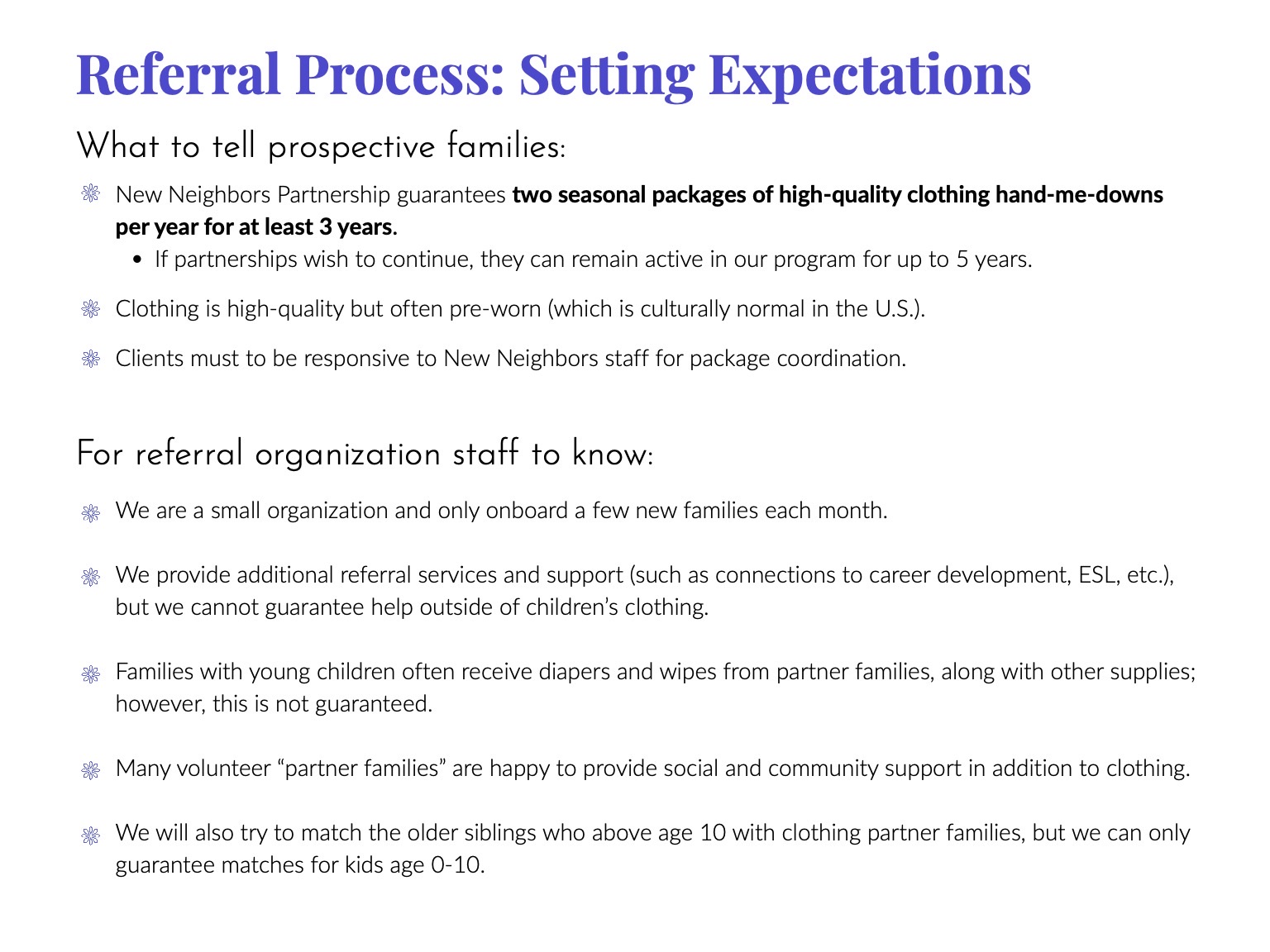
- •Set accurate expectations about what NNP can and cannot guarantee
- •Humanize the guide with photography and emotional storytelling
- •Create a partner-facing resource polished enough for high-visibility contexts
Outcome snapshot
A clear, warm, and structured referral guide that helps partner agencies understand who to refer, how the process works, what families can expect, and how NNP builds long-term community support — later presented at the United Nations General Assembly in connection with refugee employment and support.
2)Project Context & Purpose
The guide explains NNP's mission, clothing partnership model, community support initiatives, client eligibility, expectations, referral timeline, staff roles, and contact information. It was designed to be practical enough for referral partners, but still warm and human-centered in tone.
UN General Assembly
A key highlight of this project is that the final referral guidelines were later presented at the United Nations General Assembly in relation to refugee employment and support systems, making the work especially meaningful as a real-world nonprofit communication piece.
3)My Role & Contribution
My role included both content synthesis and visual design. I organized the information into a clear flow, refined the content structure, designed the full layout, placed images, selected visual emphasis points, and applied NNP's updated brand direction throughout the guide.
Contributions
- •Synthesizing referral information into clear sections
- •Designing the full 11-page guide
- •Structuring the content for easy partner understanding
- •Placing family, program, and staff images throughout the document
- •Creating visual hierarchy for eligibility, benefits, and timelines
- •Applying brand colors, floral motifs, rounded image frames, and clean typography
- •Turning dense operational information into a more approachable partner-facing resource
4)Audience & Communication Goal
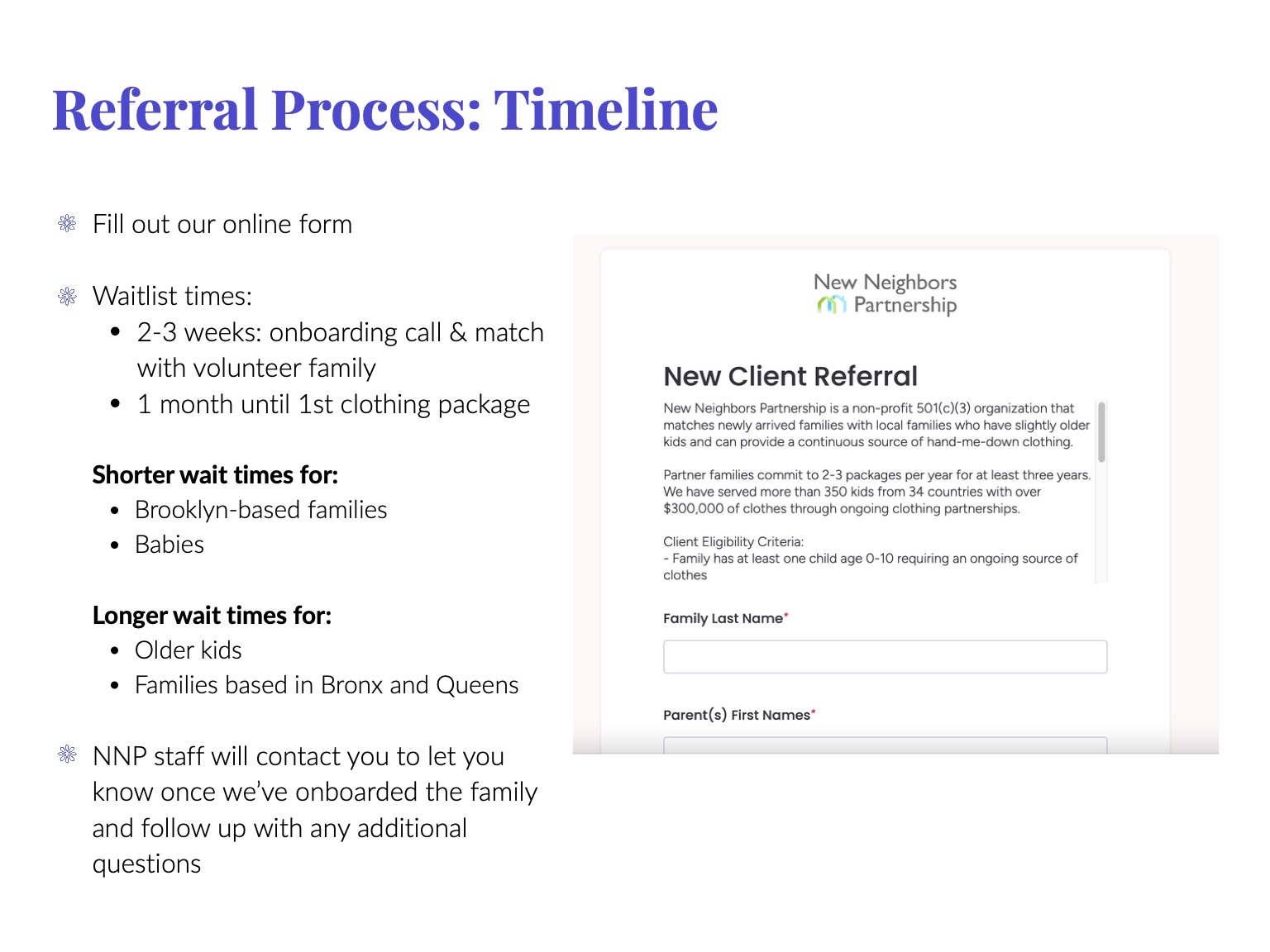
The document helps partners understand who is eligible, who is the best fit, what NNP can guarantee, what families should expect, and how long the process may take.
Expectation-setting
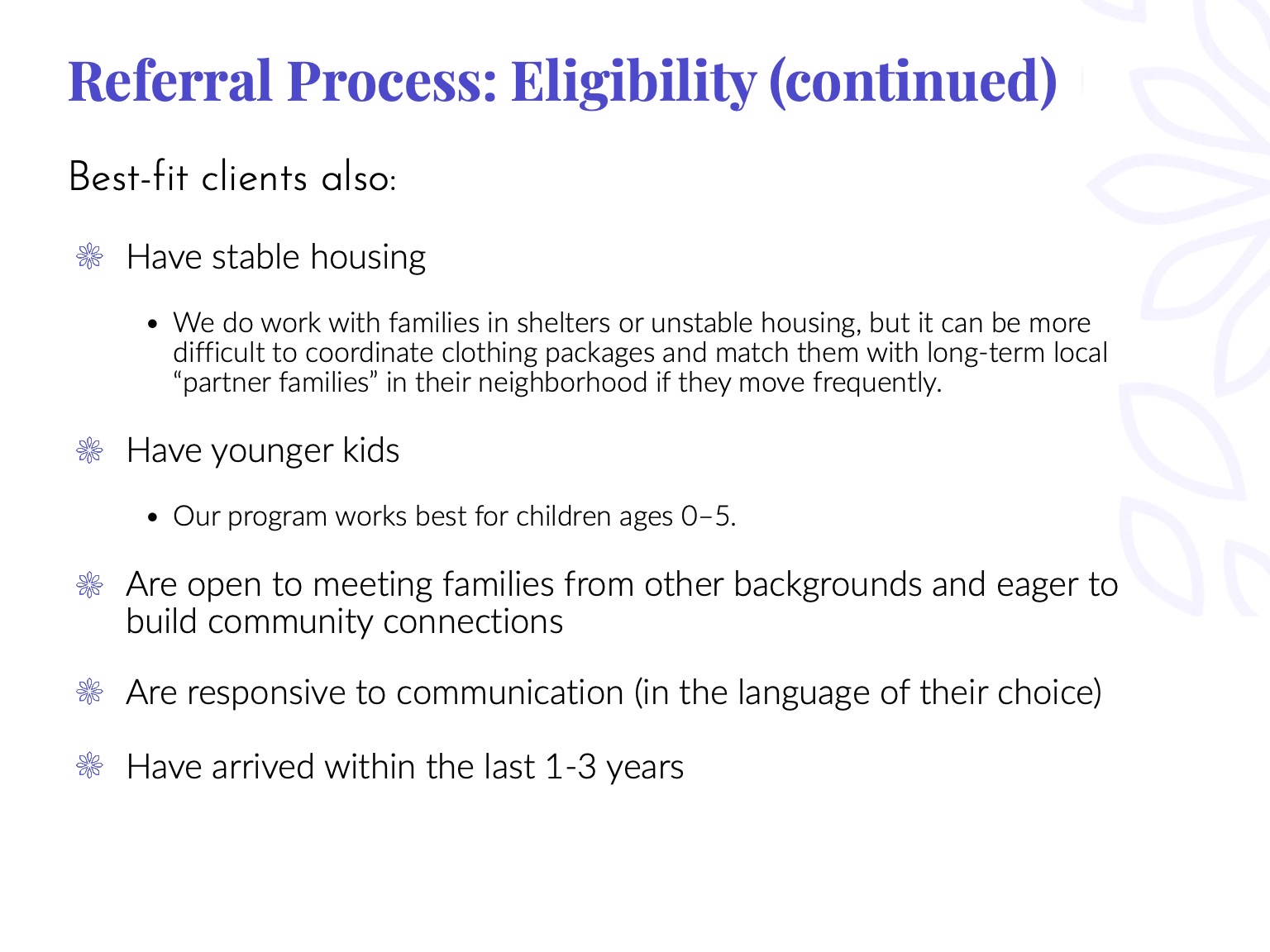
The guide avoids overpromising by clearly explaining that NNP can guarantee clothing support for children ages 0–10, while additional support may vary. This made the guide both informative and expectation-setting.
5)Content Structure & Information Design
The document is structured like a guided narrative. It begins with NNP's identity and mission, then introduces the Clothing Partnership Program, explains the value of the model, and gradually moves into referral-specific details.
Document flow
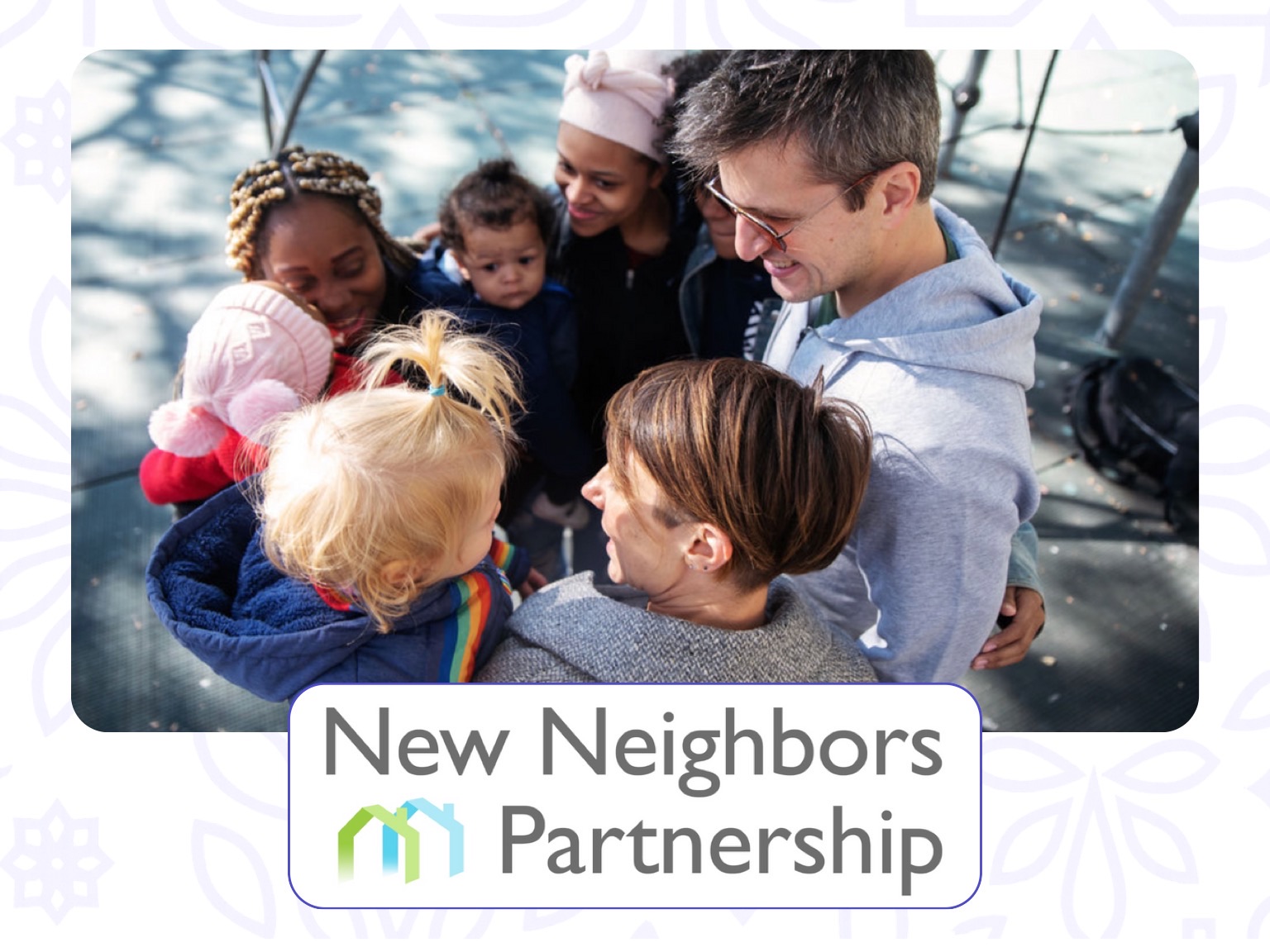
- •Cover and organization introduction
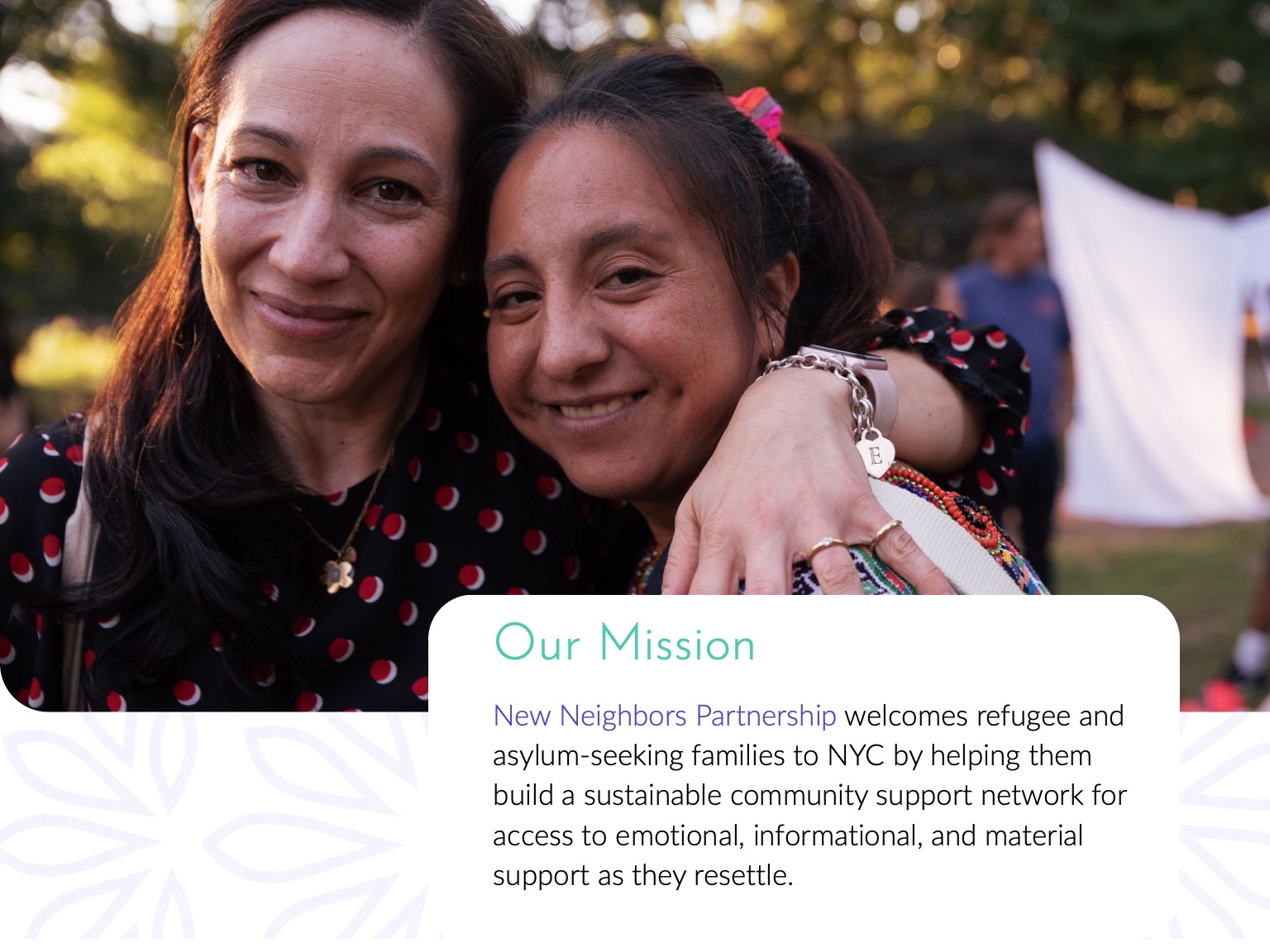
- •Mission statement
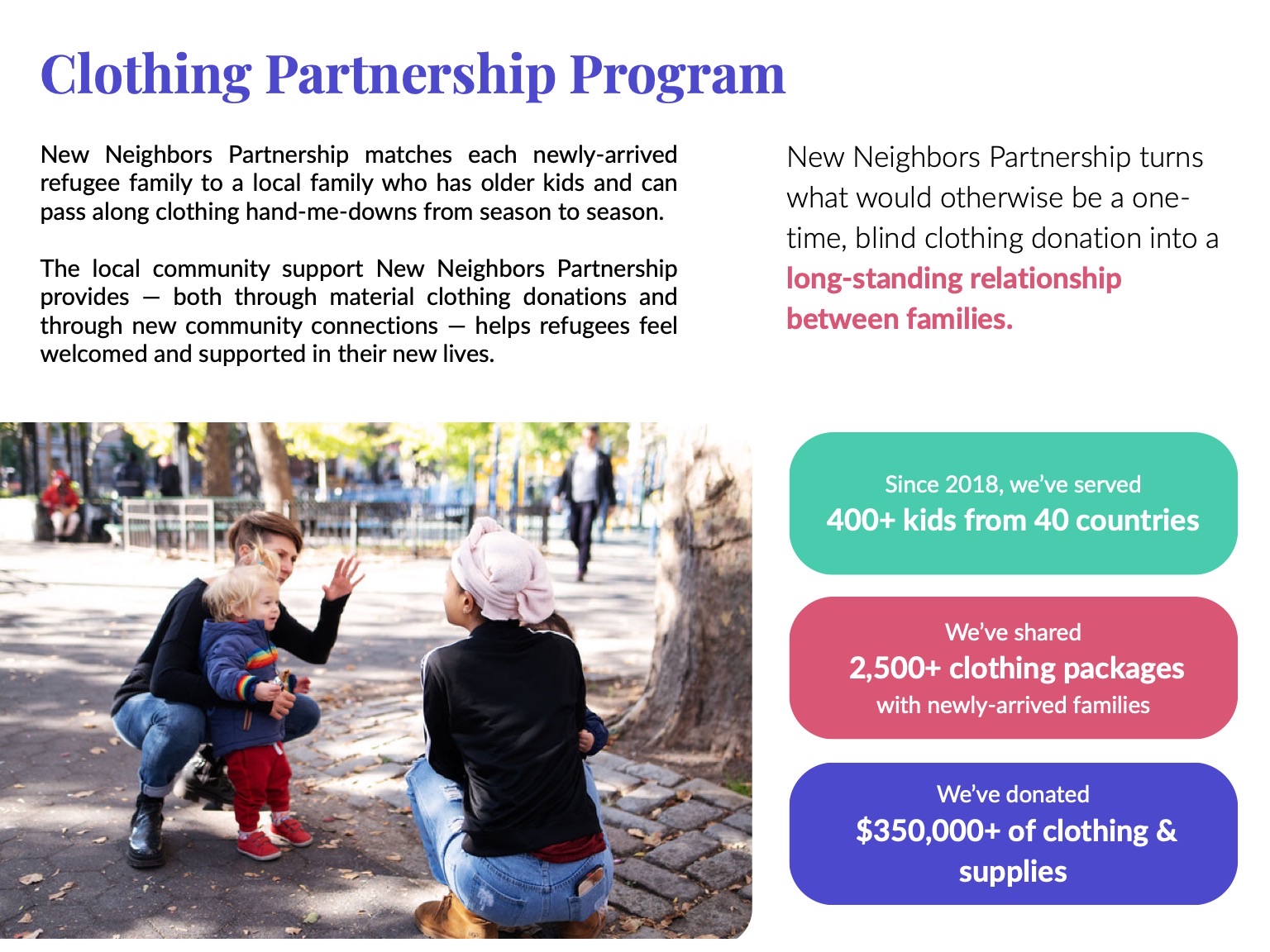
- •Clothing Partnership Program overview
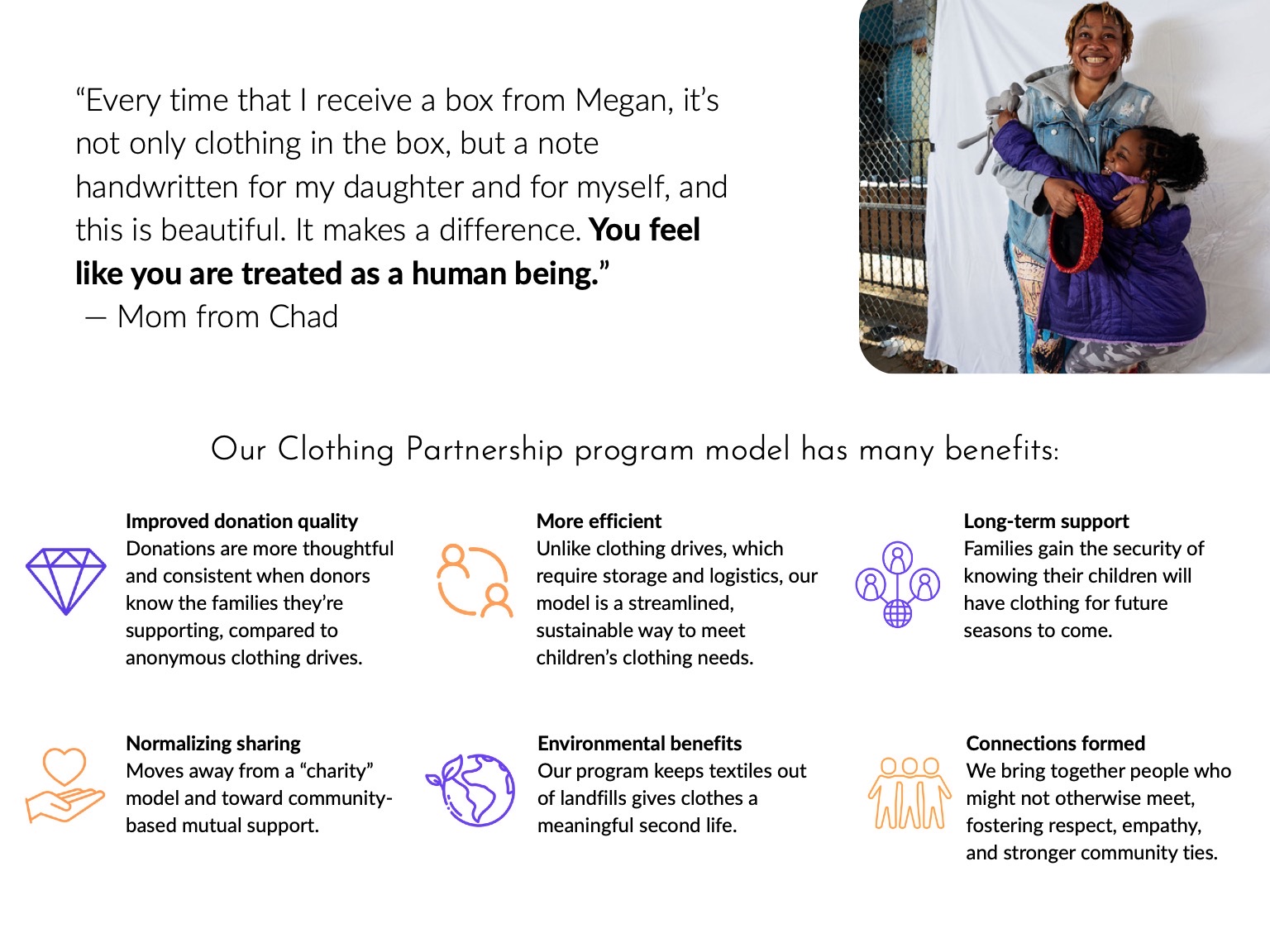
- •Program benefits and testimonial
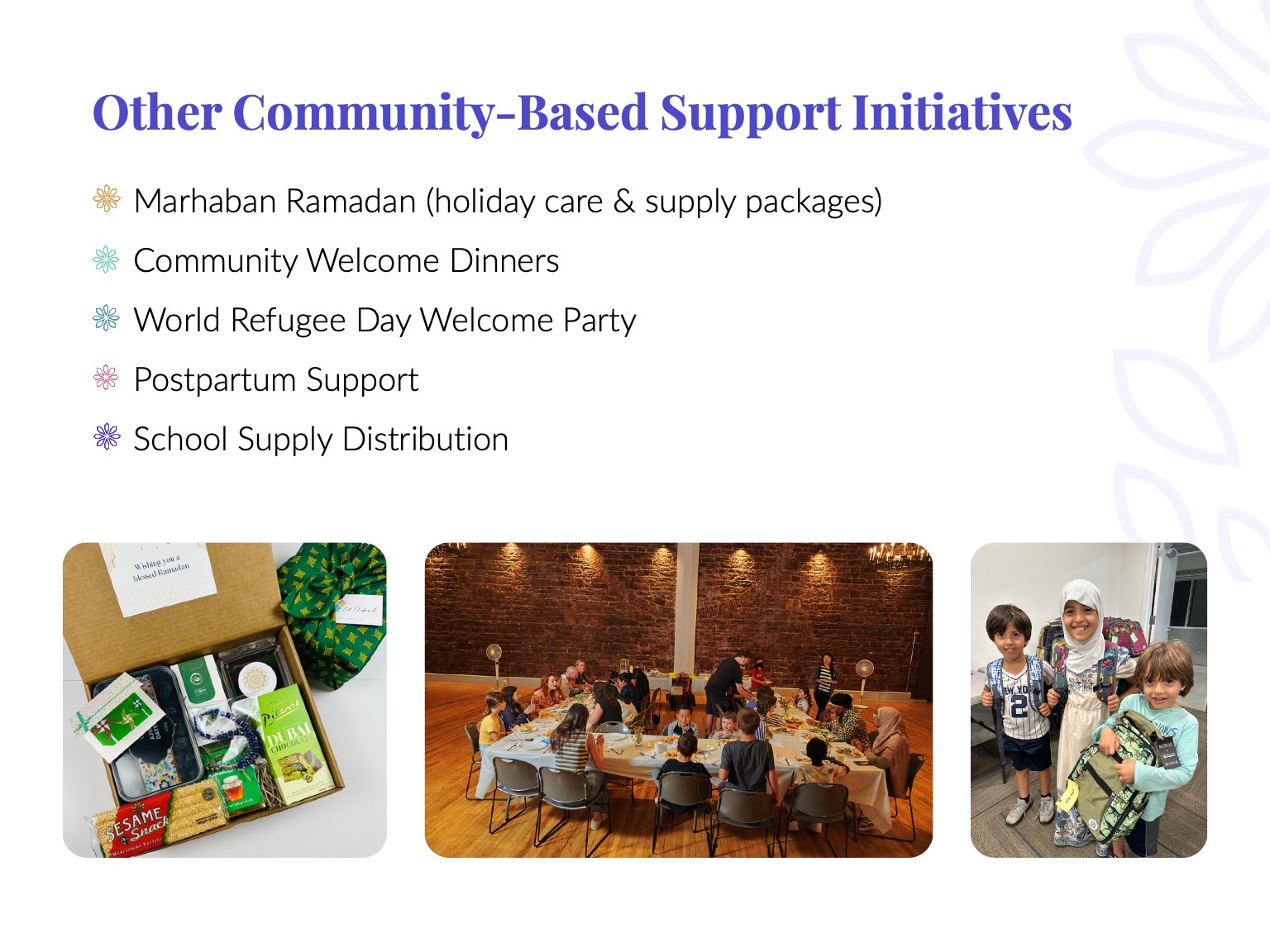
- •Other community-based support initiatives
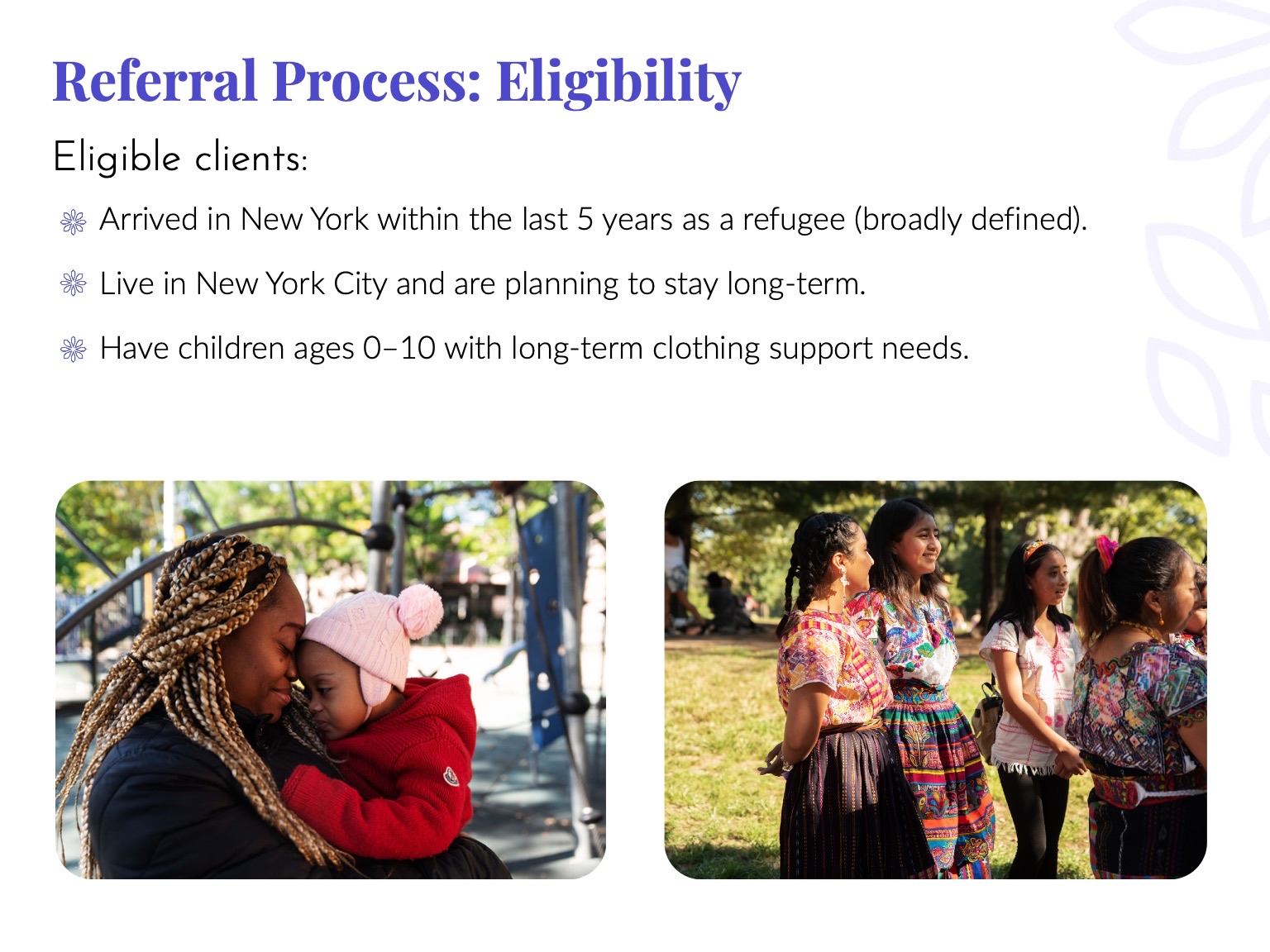
- •Referral eligibility
- •Best-fit client characteristics
- •Expectations for families and referral staff
- •Referral timeline
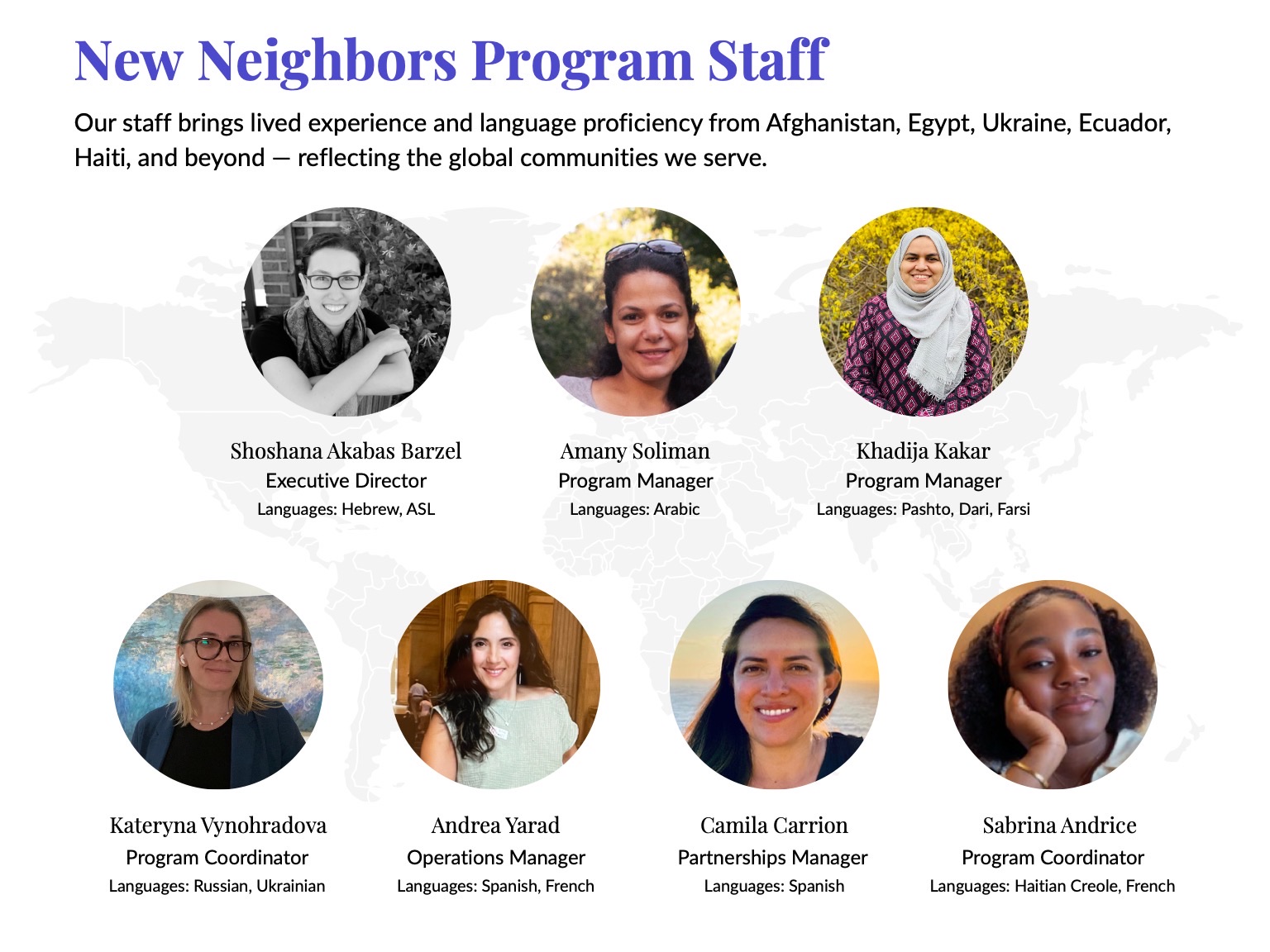
- •Program staff
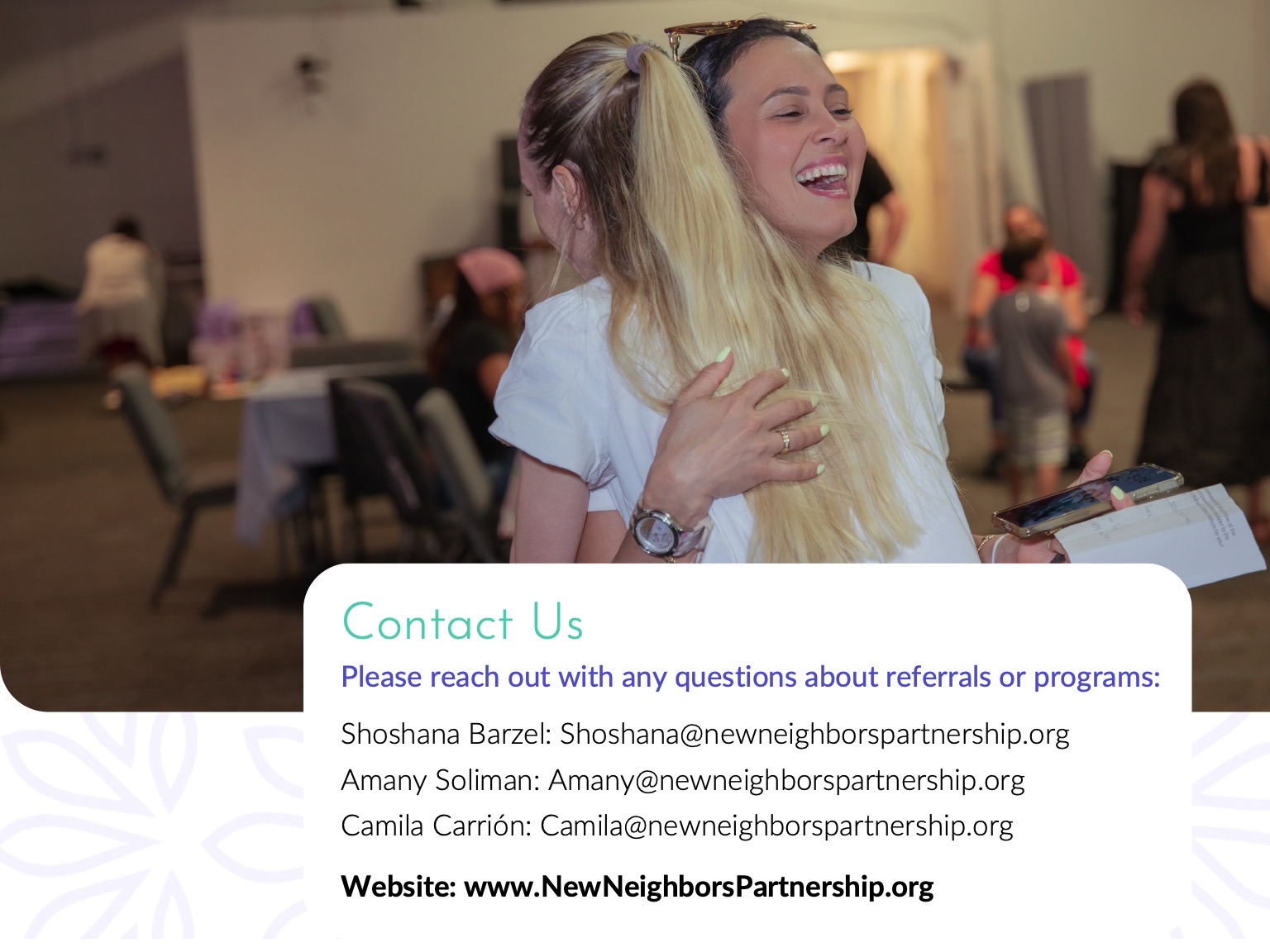
- •Contact information
6)Visual Direction & Brand Application
Photography played a major role in humanizing the guide. Images of families, children, community events, care packages, and staff members help show that NNP's work is not just logistical — it is relational and emotionally supportive.
Key visual choices
- •Large photo-led cover and closing pages
- •Soft floral motifs in the background
- •Rounded image corners for warmth
- •Color-coded statistic cards
- •Icon-based program benefits
- •Spacious layouts to reduce text heaviness
- •Staff portraits placed over a subtle world map to reflect global community
7)Key Content Highlights & External Recognition
Program impact
The guide highlights that NNP has served 400+ kids from 40 countries, shared 2,500+ clothing packages, and donated $350,000+ worth of clothing and supplies since 2018.
Storytelling & advocacy
- •Explains the deeper value of the Clothing Partnership Program — donation quality, long-term support, environmental benefits, and mutual support over charity
- •Features a quote from a mom from Chad on how handwritten notes made her feel treated as a human being
- •Presented at the United Nations General Assembly as part of conversations around refugee employment, resettlement, and community support
8)Outcome & Reflection
The final outcome was an 11-page referral guidelines document that made NNP's referral process more understandable, organized, and visually consistent. It helped translate program details into a partner-facing resource that could be shared with agencies and community organizations.
Reflection
This project strengthened my ability to design nonprofit communication materials that combine information clarity with emotional storytelling. The fact that this work was later presented at the United Nations General Assembly showed me that even a practical communication document can have a larger role in representing nonprofit work, refugee support, and community-centered systems.